

The Aves, by Ryane Nicole Granados is a masterful coming-of-age story that introduces the world to ten-year-old Zora and her 1980s Los Ángeles neighborhood, affectionately called, The Aves. This Los Ángeles neighborhood is filled with an eclectic mix of residents, friends, and friends-turn-family who Zora learns to love and appreciate as she enters her teenage years. Zora narrates her stories and although the neighborhood is what we would now label marginalized, we soon learn that the residents of the Aves are made up of more than their economic status.
In the first chapter, we meet ten-year-old Zora just as she is initiated into every Black girl’s rite of passage: her first trip to the neighborhood beauty parlor. The days of braids and barrettes are no more, replaced with biweekly press ‘n curls and hopefully, minus the dreaded hot comb burns. Granados does a wonderful job of bringing the beauty shop to life, using details that evoke all the senses. From the “awful stench of lye relaxers and hair grease sizzling,” to “the dryer that set fire to the back of your neck,” and the solemn warning to “sit still or get burned” makes readers feel as if they are sitting right next to Zora as she flinches and shudders through this new experience.
From the overheard neighborhood gossip to Miss Felicia’s tough love as she styles Zora’s hair, the Ave’s beauty shop serves as an authentic microcosm of the neighborhood and its people. Opening the book in this way provides a witnessed introduction for what Zora will experience.
With each continuing chapter, we learn about Zora’s unconventional, yet loving mother, her role as a big sister, the Aves’ many occupants, and the love, grit, perseverance, loyalty, and the neighborhood code that keeps it all together.
Portraying Black mothers in any context can be tricky business. The tendency to stereotype is ever present and one many authors (unfortunately) gravitate towards. We see none of this in The Aves. To begin with, Zora shares how, at seven years old, she learns why her mother prefers to be called by her given name, Mercy, something almost never seen in the Black community.
But to Mercy, nothing else will do and she offers her young daughter an explanation that goes way beyond the formulaic, because I said so, line often attributed to Black mothers. “Mother categorizes women into a stereotypical role imposed by society in an attempt to stifle their efforts to break free from the invisible prison bars of homemaker and servant.” Years later, when her younger sister has the same question, Zora takes it upon herself to repeat Mercy’s reasoning. Prose is also confused, but accepts the answer, just like Zora did. Mercy is stern, yet fair, “predictably present,” and makes sure her girls know how to take care of themselves and each other. This early introduction to Mercy’s parenting style lays the foundation of Zora’s character as someone who sees the world beyond her years.

In the “window walking” chapter we experience the Aves through Zora’s eyes. Window walking is what the sisters do when their mother is into one of her cleaning rituals (Mercy is a germaphobe). Zora keeps them safe by limiting the walk to “around the block, and around the block again” because the city has yet to install a traffic light on the corner.
As they pass each house, Zora reveals details of the inhabitants, but the telling falls short of coming off as intrusive or creepy. Zora sees families caring for one another, friends “swapping saucy secrets,” and the newborn baby Mercy helped name. Readers will sense that the most interesting home for Zora belongs to Roxanne, the 17-year-old former foster child, now living alone in an apartment paid for by the government. Roxanne has a boyfriend, and she winks at the girls through the window as they spy the lovers in a romantic embrace. In the telling of these residents’ stories, there is no mention of lack or despair. Only love, joy, community, and curiosity.
The beauty of this novel is how Granados skillfully weaves short and long chapters together, each making the Aves and Zora’s life come more into focus. The shorter chapters offer a quick, yet poignant glimpse into this world within Los Ángeles, such as learning how Zora and her sister were named: Zora Neale Rebecca Hunter and Prose Leah Hunter. Zora doesn’t care for her name and makes the mistake of sharing her disdain with her mother. “You, Zora, have a name of distinction and presence,” her mother warns. Zora will understand this proclamation a few chapters later during a conversation with the neighborhood oddity who the kids call, “the peacock.”
The longer chapters are a deep and engaging dive, offering a roller coaster ride of emotions. One such chapter explores Zora’s struggle coming to terms with her father’s intermittent and prolonged absences. Another, an embarrassing incident at school, causes her mother to get involve and readers are kept guessing how the “called at work” mom will handle the situation. Zora fears the worst, and she gets no reassurance from her teasing cousin, James.
The varied chapter lengths seem to mirror the way a child’s mind functions as they attempt to understand and exist in the world they inhabit. The aspects of Zora’s life that she has either accepted or knows enough of—for now—are told without the need for long scenes and exposition. For example, her mother’s explanation of why she is named Zora is final, and although Zora, like most children, may wish for another name, she knows there is not much more to say about the situation. But making sense of her father’s absence needs more narrative space, so readers spend a day with Zora as she attempts to come to terms with this absence. Overall, the chapters read as if one was listening to a child share their lives, talking a lot about this, but not so much about that.
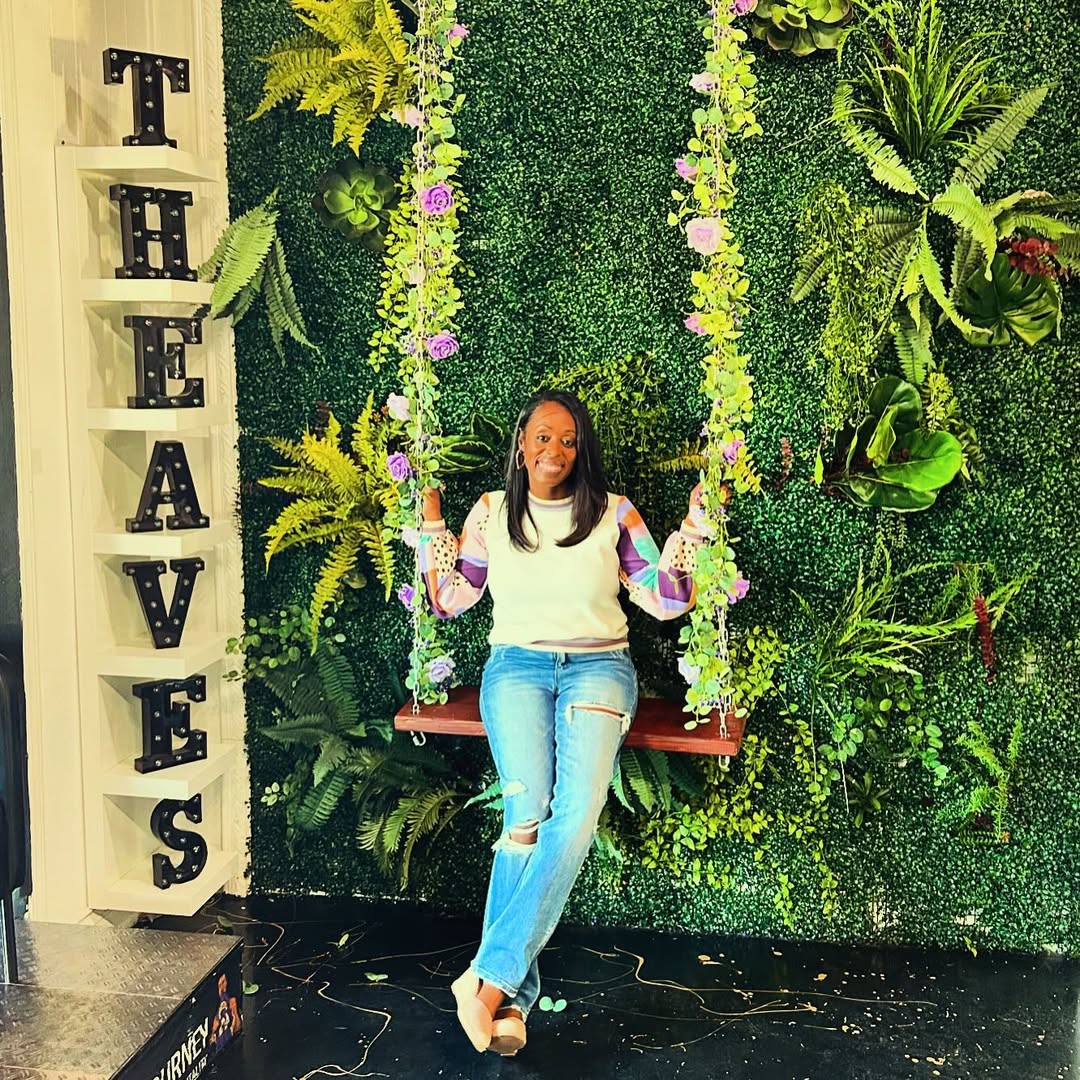
It would be hard to say that The Aves has a traditional plot format; there is no clear beginning, middle and end, or a main character with a central, pressing need with surmounting obstacles. In fact, with a little tweaking, some of the chapters could stand alone. This vignette style mirrors Sandra Cisneros’ The House on Mango Street and like Mango Street, The Aves is a novel that can be picked up and read from any point. But, for the most part, readers will not feel lost, only curious.
The Aves 26 chapters are held together by the thread of Zora’s growth, her shifting attitudes about what it means to be a resident of the Aves, and her deepening respect for its residents that is ever present. And the final chapters will take your breath away.
Granados is a product of South Central Los Ángeles and her reverence for these marginalized neighborhoods and its inhabitants allows her to create fully realized human characters and to depict its streets as the lived in fabric of their everyday lives. This comes through precisely because she infuses her Los Ángeles roots, not only to her fiction, but in her nonfiction work about motherhood and community in the same way.
Although set in 1980s Los Angeles, every major US city has their own version of The Aves, with the same colorful characters working through issues of family, love, mystery, hope, despair, and survival. The Aves is a novel that transcends boundaries and speaks to the universal passages of childhood we have all experienced.


One thought on “Infusing Her Los Ángeles Roots in The Aves, by Ryane Nicole Granados”