

In such a fragmented geographic region as Southern California, the Greater Los Ángeles literary community continues to build community. From the San Fernando Valley to the Los Ángeles Basin, to The San Gabriel Valley and Pomona to The I.E., to Long Beach to Inland Orange County and Costal Orange County. This fragmentation increases the lack of knowledge of what the community is engaged in, increasing the likelihood of repeating from scratch what has already been done, what can be built upon or what currently exists. This lack of knowledge, along with traffic and distance, are factors preventing the community from realizing they can work together to create and sustain cross pollinating events and partnerships that last. How overwhelming it can feel to bring such a large, fragmented community together.
Despite these factors, among others, the community its writers create is generally warm and supportive. The feeling is most prominent at events themselves. The rousing applause and shouts of “you got this!” to writers stepping in front of the mic for the first time. The relative ease which with one can talk to a poet whose been featured.
The warmth and openness to all who attend an event geared towards one group or another (Filipino American, LGBTQIA, etc.) when engaged in authentically and when that knowledge of who the event is highlighting is kept in mind.
Since the last community news article in June, the following are some of the events and issues that the Greater Los Ángeles literary community has been engaged in as they attempt to build and maintain community in such a fragmented geographic region as Southern California.
Highland Park has been a poster child for gentrification in Los Ángeles for the last 15 years, along with Venice and Echo Park/Silver Lake. In spite of how York Boulevard became the epicenter for the neighborhood’s gentrification—boutiques, gallery openings and hipster-like restaurants that prioritize what’s trendy, drawing property investors and landlords looking to turn a tidy profit, at the expense of the Latinx community and their culture that already made the neighborhood their home—Avenue 50 Studio continued to present and promote art “grounded in Latin@ Chican@ culture,” according to their website.
Located along Metro’s L Line on Avenue 50, several hundred feet from Figuera St., the venue that’s also hosted book release parties, literary readings and is home to the long-running open mic, La Palabra, has faced eviction this year.
Avenue 50 went public with the news on Instagram in May with a post stating “An Open Community Townhall Meeting to Discuss the Future of Avenue 50.” Their landlord wanted the space vacated by December as the first step in a planned 4-story condominium complex. Part of the latest wave of gentrification in Highland Park.
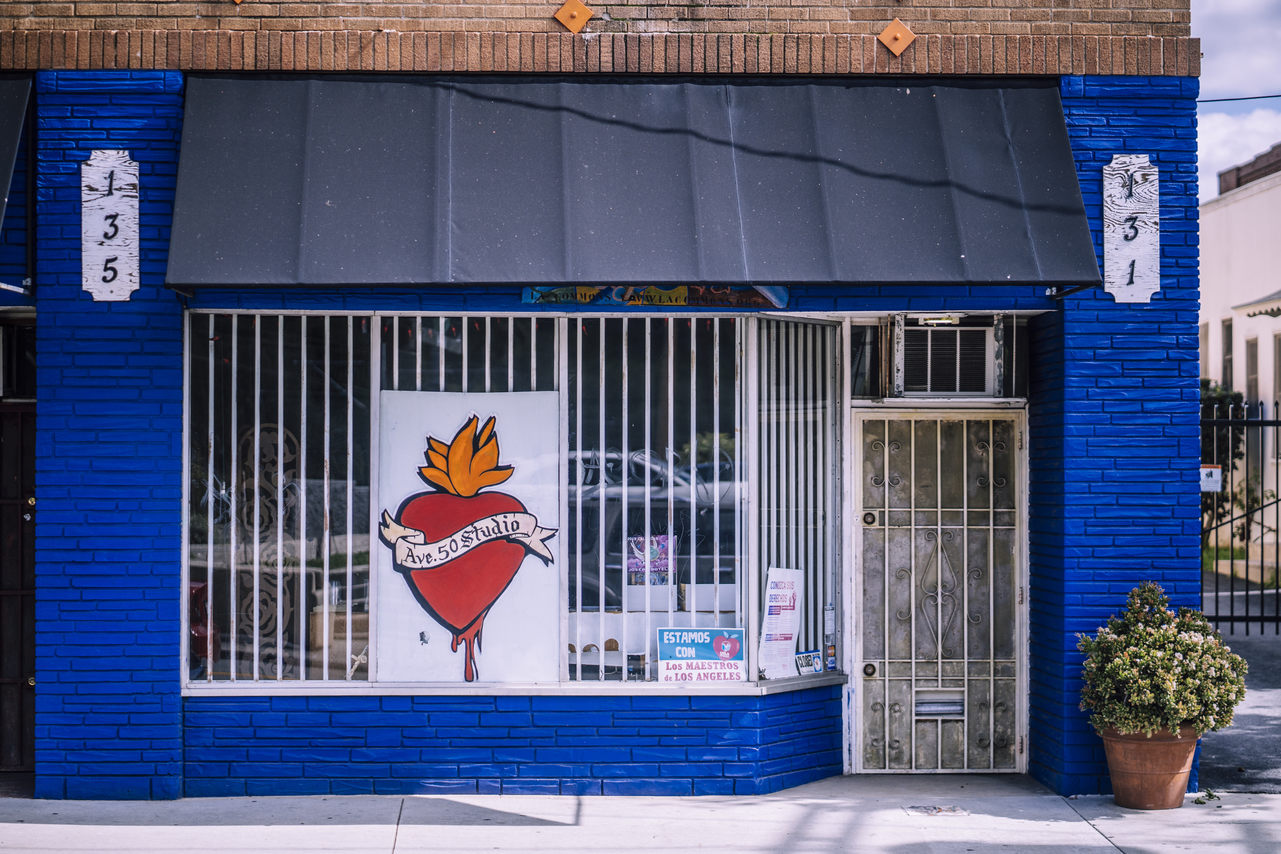
However, founding and current Executive & Artistic Director Kathy Gallegos, its supporters and community, wanted Avenue 50 to carry on its mission to cultivate and promote the working-class, queer Latinx and POC voices of Northeast L.Á. and beyond. In June they built on their community townhall by developing a facility needs document and Request for Proposals for a new facility. They were looking for property suggestions.
However, after their landlord changed tracks and said Avenue 50 could remain for now, with no other details, on the last day of the Thanksgiving holiday, November 30th, Director of Alternative Field and frequent collaborator with Avenue 50, Jessica Ceballos y Campbell said in an email, “the landlord wants us out by February 16.” Alternative Field is located in Avenue 50’s building.
Then, Ceballos y Campbell said in a December 3rd Instagram post, that Avenue 50 is in an “‘all hands on deck’ situation” and after 25 years is “calling on our extended family of friends and supporters to help keep Avenue 50 Studio open as we strive for a more sustainable future.”
In recent months, several local writers have received awards or been recognized as honorable mentions.
At this year’s International Latino Book Awards held at LA City College, poet and co-host of Trenches Full of Poetry open mic, Mauricio Moreno, was an Honorable Mention for the Juan Felipe Herrea Award in Poetry for his debut collection Anatomy of a Flame. As Moreno said in a Facebook post of his experience attending the ceremony, “Meeting with so many authors, coming from all around the world filled my heart with hope…we say fuck that to not having our stories told by us.”
Also, local writers Xochitl-Julisa Bermejo and Tisha Marie Reichle-Aguilera were both Honorable Mentions for International Latino Book Awards. Bermejo for the Juan Felipe Herrea Award in Poetry for her sophomore collection Incantation: Love Poems for Battle Sites and Reichle-Aguilera for Best First Book—Fiction in English for her young adult novel Breaking Pattern about Adriana Elizabeth Herrera Bowen, an eleventh grade Latina who lives in Riverside, California and loves horses more than people.
Furthermore, in August “Internationally-renowned poet” and “Literary Director of the Mexican Cultural Institute of Los Angeles” Matt Sedillo, as it says on the flier for the Certificate of Recognition Ceremony Presented by the city of Pomona, was honored for his work. As Pomona Mayor Tim Sandoval said, “we hereby commend you for the excellent artistic talents and contributions requisite in achieving this honor and thank you for your valuable contributions and support to the Pomona community through Education and advancement of poetic arts.”
In August, Camille Hernandez was announced as Anaheim’s new Poet Laureate. Her roll, as stated in the press release says, is to work “to connect our community through writing.” This includes hosting the continuation of the Anaheim Central Library’s monthly open mic.
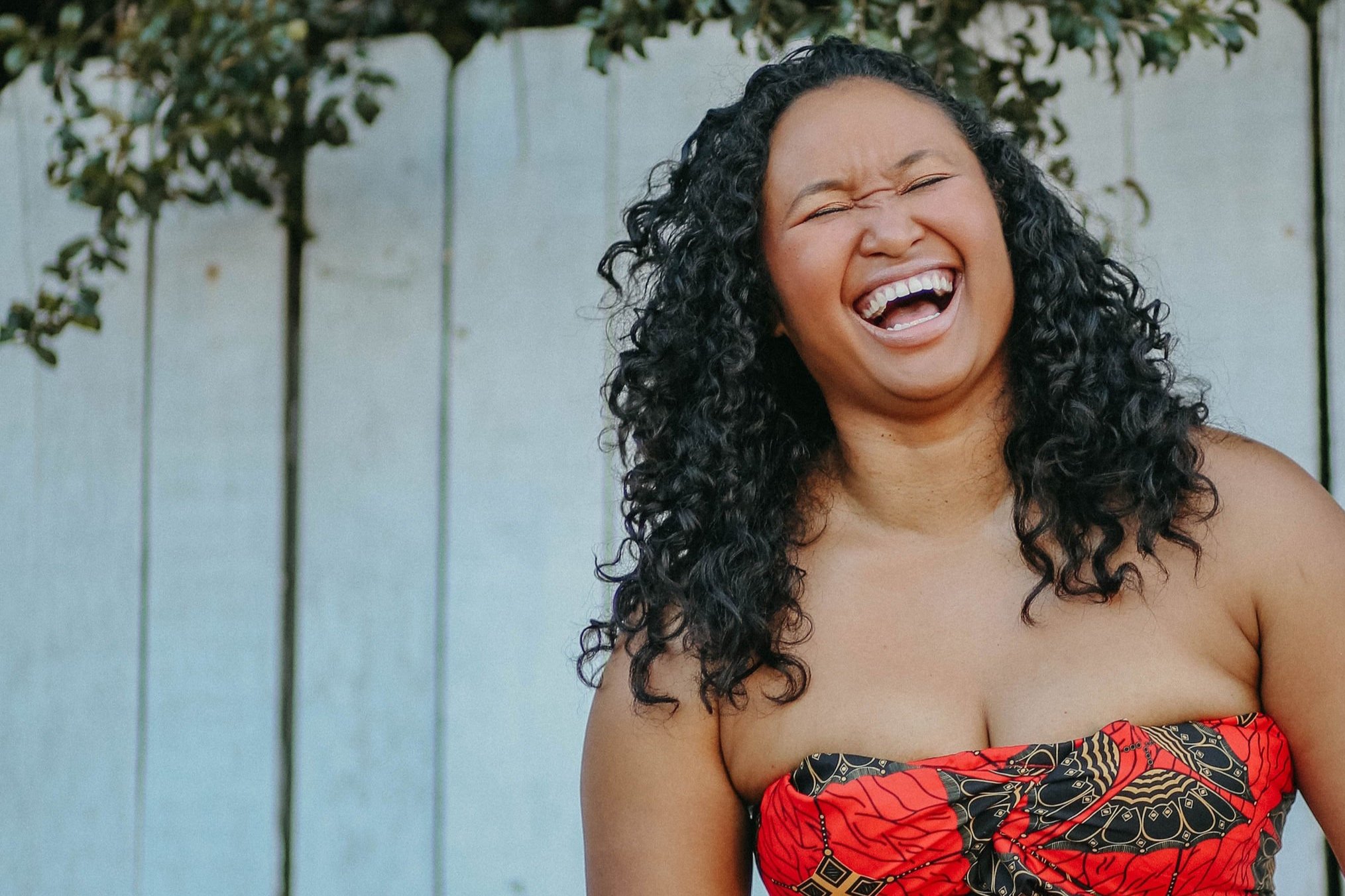
However, Hernandez is more than a poet. She’s also an essayist, and teaching artist, who is a self-proclaimed “public library girl.” She grew up in neighboring La Palma and walked to her local library every day after school to read as many new books as possible.
Hernandez loves to blend the intersections of being a Black + Filipina educator, ethicist, mom, wife, sister, daughter and friend into her writing. As it says on her author website, Hernandez “is focused on healing from the violence of anti-Blackness, colonization and patriarchy…As a writer, Camille interweaves the themes of mental health and mythology to encourage and equip people to pursue healing practices that aid to our collective liberation.”
These aspects of her writing can be seen in her debut The Hero and the Whore: Reclaiming Healing and Liberation Through the Stories of Sexual Exploitation in the Bible, that the press release says, “mixes both poetry and essay to open conversations about protection, healing, and trauma informed care.”
In October, for the 9th straight year in celebration of Filipino American History Month, Sunday Jump hosted the Katipunan Poetry Slam in Historic Filipinotown. In an Instagram post Sunday Jump explains the slam as: “for Filipinos, the modern day poetry slam is an echo of balagtasan—a poetic, political debate. The Katipunan were the revolutionary group in the Philippines who fought for independence against Spanish colonization in the 1890s. In honor of this history, KPS provides a platform for Filipino poets to channel the fighting spirit of our ancestors in this celebration of free speech, and celebration of us.”
As in previous years, Katipunan welcomed all communities from across Greater Los Ángeles to attend, with the goal of engaging in discussions about identity and lived experiences to foster solidarity.
This year’s slam was hosted by Ariana “Lady” Basco, artist, host, performer, poet and founder of Palms Up Academy, an organization that, through a Filipinx American lens, transforms lives through arts programing.
This year’s competitors were:
- Ashley C. Lanzua
- Demetri Manabat
- Jamie Estepa
- Jonnie Swoopz
- Laraisbird
- Maria Bolaños
- Matt Balane
- Ren Cahigas
- AJ Abesamis
- Soul Stuf
And this year’s winner was Demetri Manabat who performed in front of a full house.

Many writers in Greater Los Ángeles have published books this year from poets Matthew Cuban Hernandez, Sandy Shakes, Bryn Wickerd and Camille McDaniel to writers like Daniel A. Olivas and David Quiros.
In October, South Central native and teacher at Loyola Marymount University, Ryane Granados, held a release party at Vacancy Avenue in Inglewood for her middle grade novel The Aves. Set in the 1980s South Central Granados grew up in, the novel chronicles the coming of age of Zora as she navigates the intricacies of childhood—her honorable name, having to explain things to her younger sister, even as Zora works to discover her own philosophy in life and her neighborhood, a one-way street with an entrance but no exits.
Granados’ community came out in full force—friends, family, fellow educators and writer friends—to pack the intimate space with deep love, a deep sense of community, respect and appreciation that cut both ways. Granados attempted to keep her thank yous short, but all the true support she received from lifelong friends, from her husband, her mother and writers like Tisha Marie Reichle-Aguilera and bridgette bianca, that enabled her the time and energy to write and reinstalled her confidence in the importance of her narrative and voice when she faltered, were too important to leave out. And Granados made sure to praise all the educators in the room for the important work of inspiring and nurturing young minds.
Granados even prepared a short video essay chronicling the South Central she grew up in through old clips of the neighborhood and the mostly Black pop culture influences on her life.
Fellow South Central native bridgette bianca and SoCal native and L.Á. chronicler Mike Sonksen, read to round out the day dedicated to community in L.Á.

 Los Angeles Literature