
Three Questions for Cherríe Moraga Regarding Her Memoir, “Native Country of the Heart”
By Daniel A. Olívas
FROM: LARB
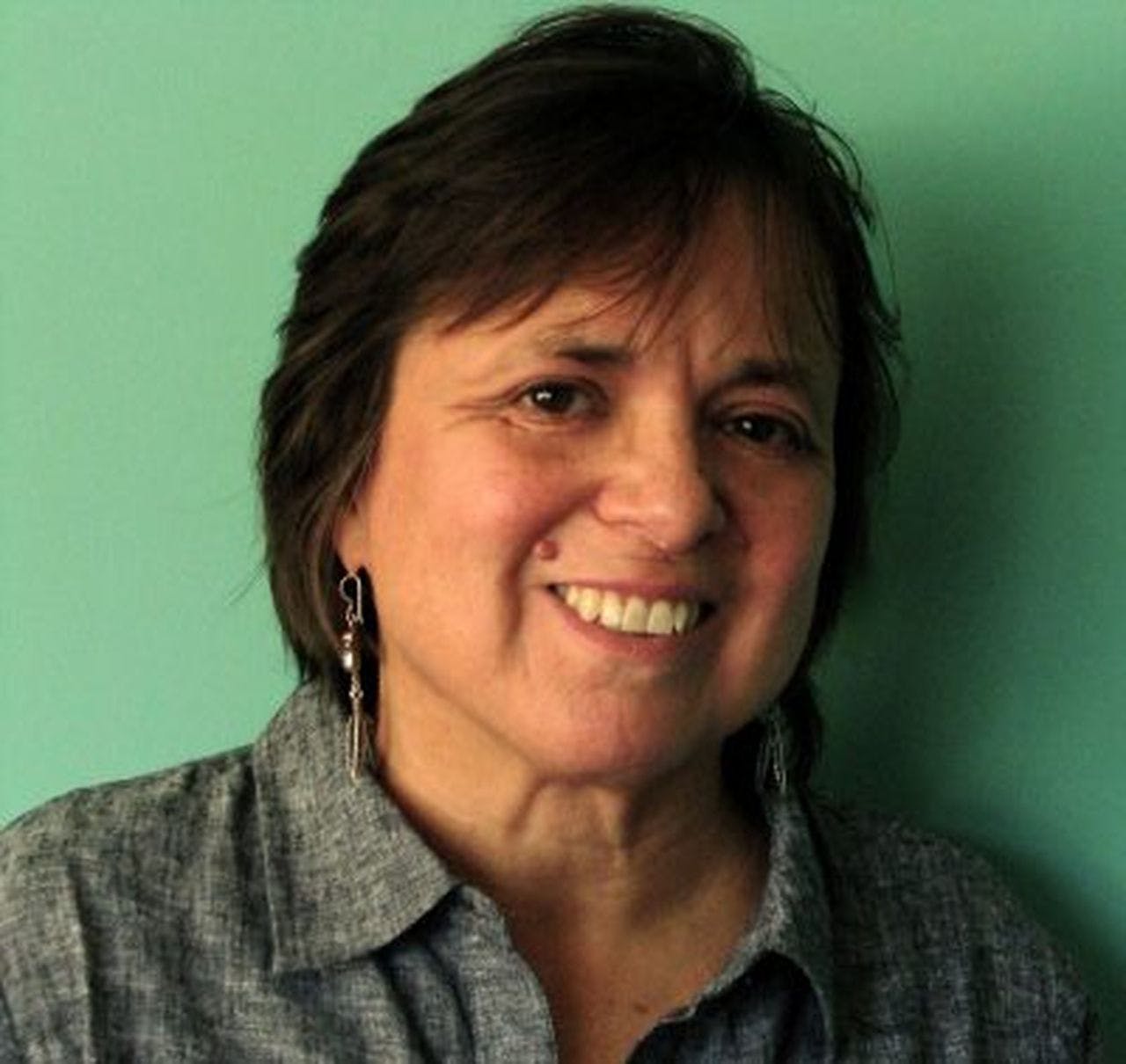
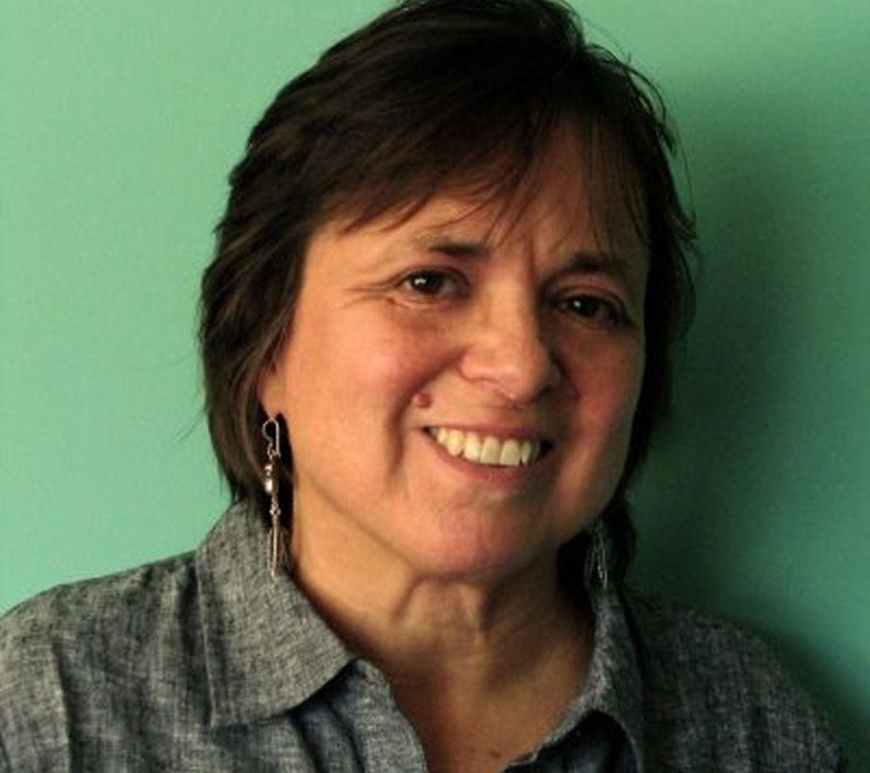
Cherríe Moraga is an internationally recognized playwright, essayist, and poet who is best known as the co-editor of the groundbreaking feminist work This Bridge Called My Back: Writings by Radical Women of Color. Moraga is the author of several collections, including A Xicana Codex of Changing Consciousness and Loving in the War Years. Moraga has been recognized for her writing with the United States Artist Rockefeller Fellowship for Literature, the American Studies Association Lifetime Achievement Award, and the Lambda Foundation’s “Pioneer” award, among other honors.
Continue reading “Three Questions for Cherríe Moraga Regarding Her Memoir, “Native Country of the Heart””
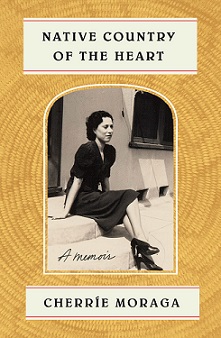 Cherríe Moraga has been an iconic figure in queer and Latinx literature since the 1981 publication of This Bridge Called My Back: Writings by Radical Women of Color, an anthology she edited with the late Gloria Anzaldúa. Bridge was among the first explorations of how people and communities with multiple social identities — queer women of color, for example — are subject to intersecting discriminations that create complex and profound forms of oppression — what we now call intersectionality. In the decades since Bridge, Moraga has produced fiction, poetry, and plays, received awards and fellowships, and taught at Stanford University and the University of California at Santa Barbara. Even with these credentials, she, like other queer writers of color, has been patronized by a largely white, straight literary establishment, which often dismisses work like hers as special interest pleading, while hailing the work of straight, white writers for its universality.
 Los Angeles Literature