
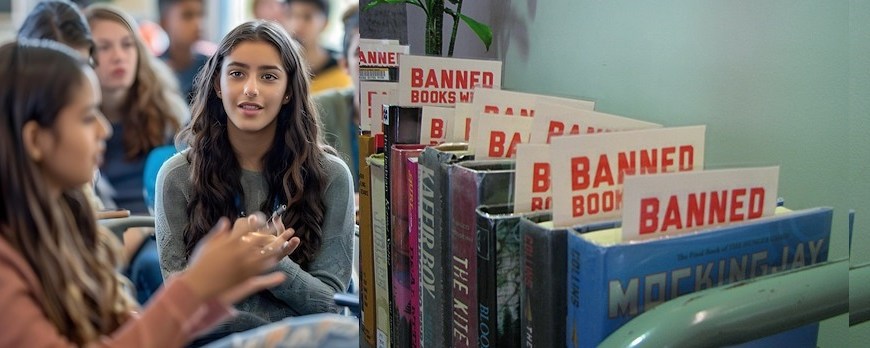
Book Bans and Artificial Intelligence: Why Being a Literary Educator in Southern California is Both Easier and Harder Than Ever Before
Crossroads student Liv Amiri wrote this article about being a literary educator in Southern California amid the book banning, educational censorship and the rise of AI that has exploded across the country since the pandemic. Continue reading Book Bans and Artificial Intelligence: Why Being a Literary Educator in Southern California is Both Easier and Harder Than Ever Before


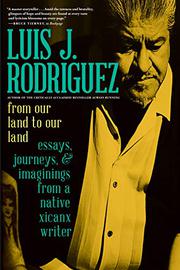

 The inclusive mindset of the American dream makes the United States a welcoming destination for the variety of cultures that the world has to offer. As a Filipino who immigrated to the United States in 2000 and earned my American citizenship in 2018, I can personally attest to the opportunity within this country; as a result, I am more aware of the struggles and hardships that people endure in the hopes of leading a better life in the United States. The field of ethnic studies focuses on understanding the undeniable impact that these immigrants make on this country. The people involved in these studies may come from vastly different backgrounds, but their goal is always the same: to build upon the principles of freedom and independence that unite all Americans.
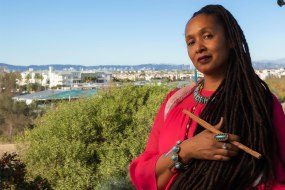 Loyola Marymount University writing instructor and rhetorical arts fellow Shonda Buchanan understands how abuse and self-hatred — the kind that ripples through families for generations — can set the tone for interpersonal relationships for decades, if not centuries.
 Award-winning poet Shonda Buchanan honors multiple literary traditions in her breathtaking new memoir, Black Indian. An educator, freelance writer, and literary editor, Buchanan is a culture worker with deep, decades-long engagement in communities of color. Her work honors the complexity and diversity of these Black, Indigenous, and People of Color (BIPOC) communities. At once Indigenous, Black Female, Speculative, Feminist, Womanist, Urban, Southern Gothic, and counter to the Tragic Mulatto stereotype in American literature, stage, and film, Black Indian is a quintessentially American narrative.
 Los Angeles Literature