

Los Angeles Literature Events: 9/14/20 – 9/20/20
Most Events Are Online/Virtual DUE TO CORONAVIRUS CONCERNS
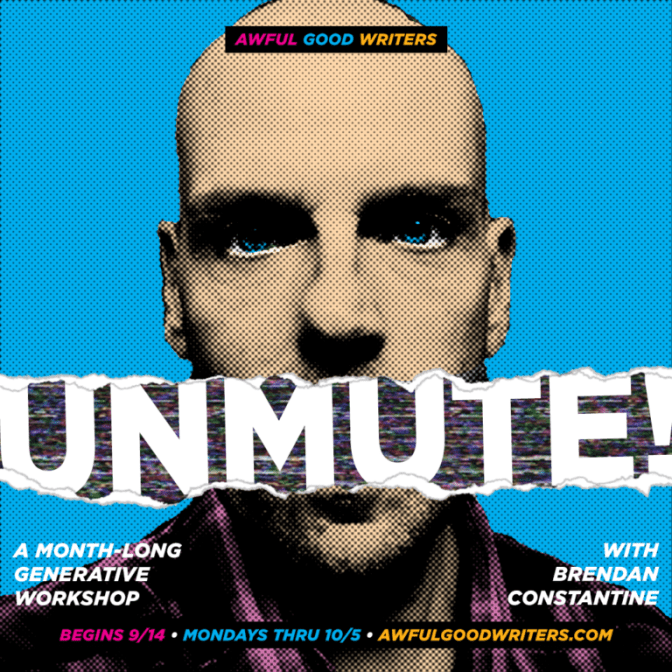
UNMUTE! is a month-long generative workshop for writers at all levels. Each week, participants will meet LIVE with poet and writer Brendan Constantine for ninety minutes, to discuss and explore approaches to poetry and discover ways to practice perpetual astonishment. Each class will end with at least one “no pressure” assignment, designed to liberate your own style. Dates of workshop: Sept. 14th, 21st, 28th, and Oct, 5th.
NOTE: See course details and costs at: https://awfulgoodwriters.com/courses/brendan-constantine-unmute/?fbclid=IwAR3DL0iNNdBJCoFn5KrMZw6_L3ua3DBb-NuEOn9miK12vaX1bD0BC-np7DE
Continue reading “Los Angeles Literature Events: 9/14/20 – 9/20/20”

 To come to terms with one’s status as a survivor is to relive the moments that nearly ended one’s life. To collect those moments and offer them to the world is to relieve their weight on one’s mind so new possibilities in one’s life may take shape.
 Cresting an overlook on the Condor Trail in Griffith Park, Casey Schreiner wants us to stop to listen to the chimpanzees. “They’re a little bit chattier now than they were when I was writing the book,” he says, as the hollering echoes up from the Los Angeles Zoo in the canyon below. “It may be because they haven’t had visitors in a while.”
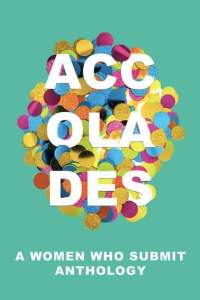 Local press Jamii Publishing will release the Women Who Submit (WWS) anthology Accolades edited by Rachael Warecki and Tisha Marie Reichle-Aguilera. They will debut the book at the Association of Writers and Writing Programs Conference in San Antonio.
 The poet Mike Sonksen knows more about Los Ángeles than almost anyone. It began when he was a kid, his father and both grandfathers introducing him to the sprawling city by taking him on destination drives. Due to his father’s love of architecture, having, “taught me about…Frank Lloyd Write from an early age,” Sonksen “had a natural interest in maps and geography.” Those drives fostered that interest, dipping in and out of distinctly planned and inhabited neighborhoods that made up the patchwork quilt of, not only the city, but Los Ángeles County.
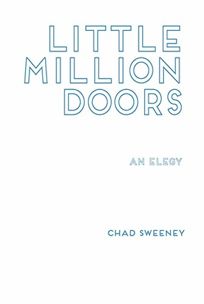 Like a hurricane of images, or a tsunami of grief, Sweeny’s lines strain against a background of stability and coherence that barely holds together. The book is an elegy not only because the title tells us so, but because it performs its elegiac ritual without the filter of conventional form or syntactical coherence. If grief is inchoate, the poet asks, what language is sufficient to the duty it is called upon to perform? The answer is a language suddenly released from its duties to inform or to persuade—functions of containment, framing, and interpretation—a non-syntax left to its singular capacity to conjure the ineffable, to bring it into being.
 Nineteen years ago, a small independent press based in Pennsylvania—sadly now defunct—published my first book, a novella titled The Courtship of María Rivera Peña(Silver Lake Publishing). The story is loosely based on the migration of my paternal grandparents from Mexico to Los Angeles in the 1920s and follows the courtship, marriage, and family life of the cook Beto and the beautiful waitress María. Three years later, a longer, second edition was published under the same name but with a slightly different cover design. I am now exploring with a publisher whether we can publish a 20th anniversary edition that would include a scholarly introduction.
 Los Angeles Literature