Last Week In Los Angeles Literature
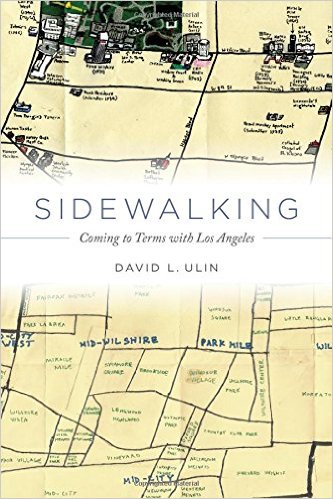
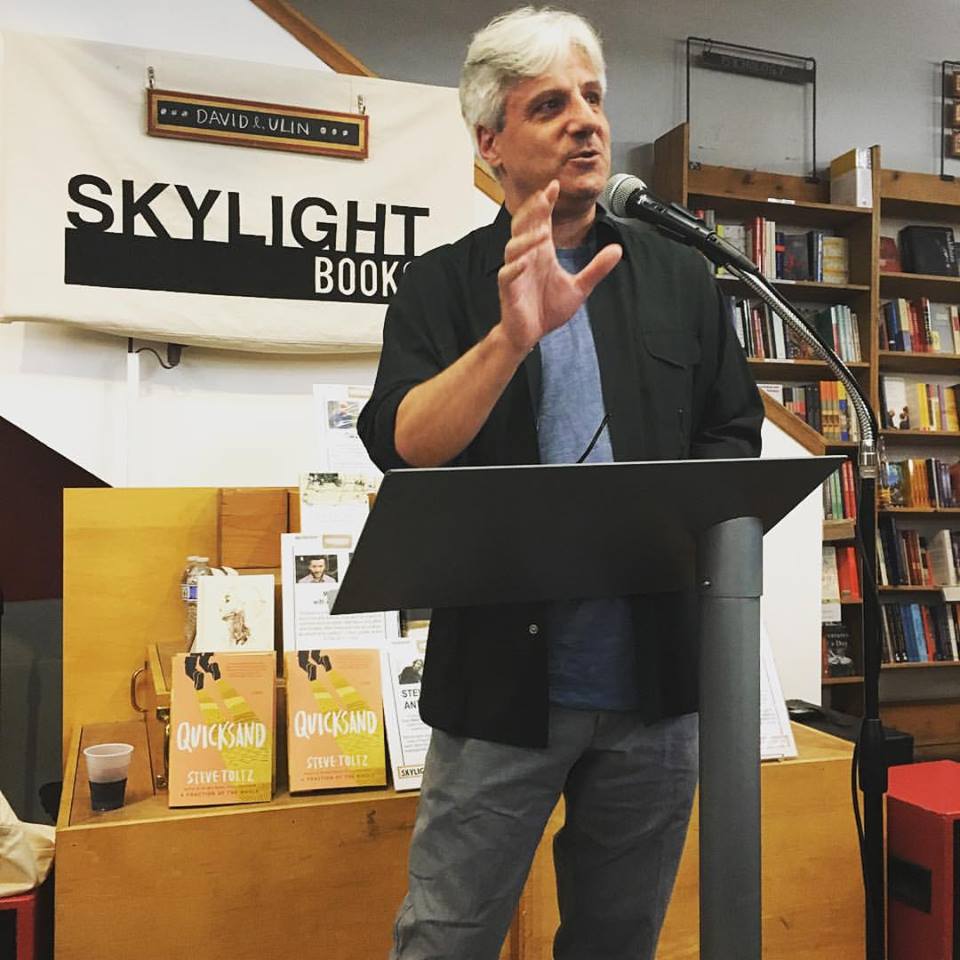 Last week in Los Angeles Literature on Tuesday the 6th, Los Angeles Times Book Critic David L. Ulin dropped his new book Sidewalking: Coming to Terms with Los Angeles at Skylight Books in Los Feliz. Sidewalking offers a compelling inquiry into the evolving landscape of Los Angeles. Part personal narrative, part investigation of the city as both idea and environment, Sidewalking is many things: a discussion of Los Angeles as urban space, a history of the city’s built environment, a meditation on the author’s relationship to the city, and a rumination on the art of urban walking. Exploring Los Angeles through the soles of his feet, Ulin gets at the experience of its street life, drawing from urban theory, pop culture, and literature. For readers interested in the culture of Los Angeles, this book offers a pointed look beneath the surface in order to see, and engage with, the city on its own terms.
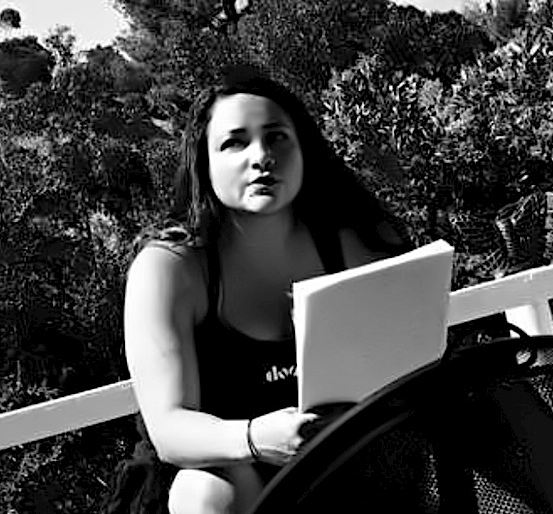
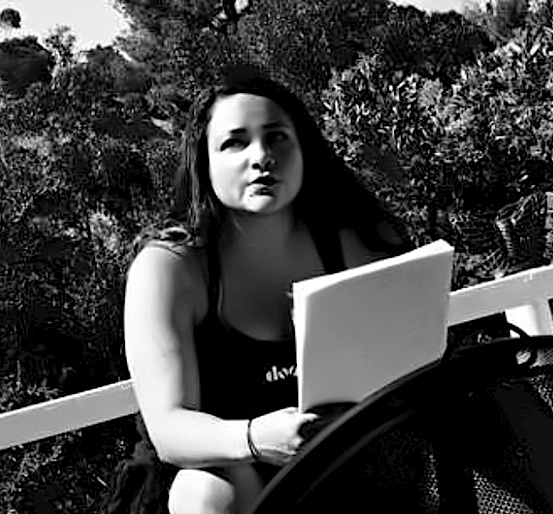
On Wednesday the 7th, Book Show Books was honored to host the release party reading for the publication of Jessica Wilson’s first book of poetry, Serious Longing, published by Swan World Press out of Paris, France. Patrice Kanozsai says of the collection, “Deep and whole poetry about origins, ancestors, childhood with real efficient poetic words…Sometimes amazing…Sometimes funny… Always relevant. Jessica will take us with Jim Morrison in a rabid hole…”