
At the end of each year, Los Angeles Literature celebrates the publishing success the Greater Los Angeles literary community achieved in the previous calendar year. The short pieces local writers published in local, regional and national journals, magazines, newspapers, zines and anthologies. And the books they’ve spent years crafting: poetry collections, novels, short story collections, nonfiction books and essay collections—published with a major or independent press, a local press or self-published. Plus, the anthologies local independent presses published and the awards these writers have won for their hard work.
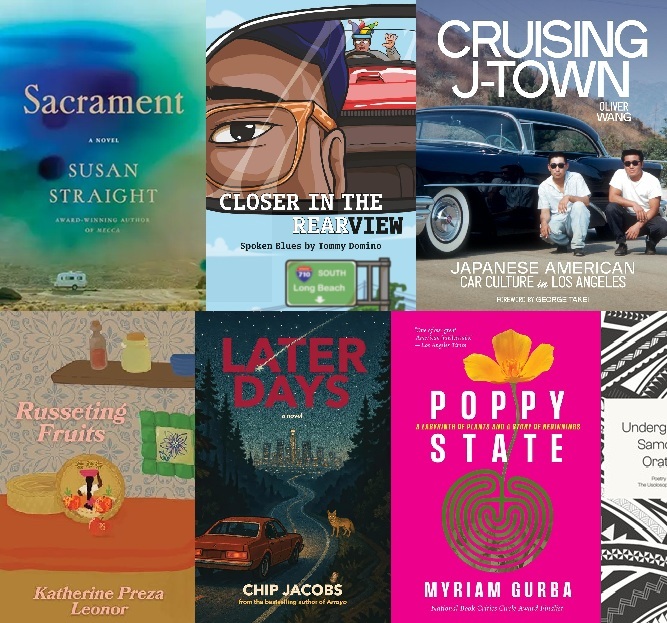
In 2025, these writers continued putting pen to paper and fingers to keyboards despite heightened censorship and efforts to defund the arts during the first year of President Trump’s second term. Some, like the young debut poet from Panorama City, Katherine Preza Leonor and William Archila, who escaped the Salvadoran civil war as a child, published the poetry collections Russeting Fruits (Daxson Publishing) and S is for (Black Lawrence Press) respectively. They engage in personal and familial narratives, confronting themes of migration, exile and belonging, highlighting both the individual and social dimensions of immigration in the US and beyond. Lenor depicting the personal stress stemming from her, her family and her community being targeted as criminals, as other, in her own country and Archila exploring the loss of homeland, family and identity that often accompanies emigration and especially his experience immigrating from the Northern Triangle (El Salvador, Guatemala, Honduras) towards the United States.
However, others, like journalist, essayist and L.Á. native Lynelle George; Teresa Mei Chuc, local public school teacher who immigrated to the US as one of the Boat People from Vietnam as a young child; and longtime Altadena resident Ashtion Cynthia Clark, wrote about the devastating Altadena Fire and how it affected them and what the destruction means to this deeply artistic and historically Black community. While others published zines and anthologies dedicated to both the Palisades and Altadena fires, like author and zine publisher, Sofía Aguilar and her zine Los Angeles.
“L.[Á]. has changed,” it says in its “note from the editors,” written by both Aguilar and Paula Macena, “…the recent blazes have completely transformed the fabric of this city.”
Other writers wrote about place, Greater Los Ángeles, like poet and Beyond Baroque’s Interim Executive Director, jimmy vega. In his poem “Another Freeway Poem–An Ars Poetica Written near the 710” from his debut collection zirconium ash, he takes the famous L.Á. freeway poem, where local SoCal poets use the freeway as a defining emotional and cultural environment, reflecting L.Á.’s identity as a city built on motion, congestion and paradox, and turns it into a socio-political commentary (mostly writers of color do this). In vega’s poem, he turns the freeway into a corridor of enforcement, in this case for ICE’s deportations; as a mechanism to separate Brown families; as a mechanism of segregation; and a metaphor for the suffering of local Black and brown communities–unlike the freedom and personal journey that white writers often associate with the freeway–because vega knows it was and still is, used in prominent ways that helps create a city “rot with ghosts.”
Also, its LGBTQIA+ writers were busy writing and publishing, such as Gina Rae Duran, Gustavo Hernandez, Brian Lin, Jeremy Ra and Steven Reigns. They edited anthologies like Duran did for FlowerSong Press with The White Picket Fence: Stories of Individuality as Rebelliousness, which aims to highlight stories that challenge conventional narratives about identity; books such as Outliving Michael by Steven Reigns and Bachelor by Orange County Poet Laureate Gustavo Hernandez; and essays and poems by the likes of Brian Lin and Jeremy Ra.
Not only did the writers of the Greater Los Angeles literary community find publishing success in 2025, they were also recognized for their hard work. Local poet and educator Benin Lemus was awarded with a Los Angeles Department of Cultural Affairs 2025 Trailblazer Award. Percival Everett won the Pulitzer Prize in Fiction for his novel James, a reimagining of the Adventures of Huckleberry Finn, told from the perspective of the slave Jim.
Ariadna Sanchez Hernandez won a Bronze Medal for Best Children’s Nonfiction Book at the International Latino Book Awards for her book La jugada del dia (Alegria Publishing). Kathleen Contreras won a Gold Medal for Most Inspirational Children’s Picture Book–English at the International Latino Book Awards for her book Born to play Beisbol: The magical career of Fernando Valenzuela (Espejo Press). Kitty Felde won a Gold Medal for Best Educational Chapter Book at the International Latino Book Awards for her book Estado de la Union (Chesapeake Press). Mona Alvarado Frazier won a Silver Medal for Best Young Adult Latino Focused Book at the International Latino Book Awards for her book A Bridge Home (Arte Publico Press). Daniel A. Olivas won a Silver Medal for Latina/o/e Communities at the International Latino Book Awards for his book Chicano Frankenstein (Forest Avenue Press). Jean-Pierre Rueda won a Gold Medal for The Juan Felipe Herrera Best Poetry Book Award–One Author–Bilingual for his book Amor Entre Aguaceros/Love Between Downpours (Alegria Publishing).
Amy Raasch’s poem “ontology of llorando” was also announced as a winner in Sonora Review’s Noise Contest, her poem “Ornament” was selected as a finalist for The Florida Review 2025 Editor’s Award for Poetry and her poem “My Sister Donates Her Eyes to the State of Minnesota” won the Beullah Rose Poetry Prize.
Plus, many other writers were nominated for Pushcart Prizes and Best of the Net, like Kevin Ridgeway’s Best of the Net poetry nomination from The Literary Underground and both Lynne Bronstein’s Best of the Net prose nominations from Dashboard Horus and Four Feathers Press. Others were finalists for or won awards as well, such as fiction writer Pete Hsu who won the Granum Foundation Prize, a foundation whose mission is to identify and invest in the next generation of pathbreaking writers and artists; Mike Sonksen who was one of ten teacher winners of Get Lit’s Certificate of Performance, chosen by a pannel of professional judges in their If I Awaken in Los Angeles compitition; and Lynne Bronstein who won Poem of the Year from Four Feathers Press for her poem “The Crude and the Sweet.”
As in years past, with “Los Ángeles Writers Publish in 2025,” Los Angeles Literature attempts to be as comprehensive as possible in highlighting the publication success of the Greater Los Ángeles literary community. Regrettably, with so many avenues to publish today, with so many local writers publishing, some writers and publications have been unintentionally missed. Nevertheless, every publication is a cause to celebrate. Here’s to all the writers who’ve published in 2025.
Publications in Journals, Magazines, Anthologies and Newspapers
- Sofía Aguilar—Altadena Poetry Review: Italy Song, Elegy for Altadena; Latino Book Review: The Mambo King
- Tanzila Ahmed—We Are Civic Media: Eavesdropping as a Solidarity Tactic
- Lisa Alvarez—Citric Acid Issue 15: In Orange County, of All Places: On Some Final Beauty; Women in a Golden State: California Poets at 60 and Beyond: Farther Along
- Juan Amador—Mobile Data Mag: Round, Brown…Makes My Mouth Want to Pound
- Iris De Anda—Mobile Data Mag: Peter J. Harris & Nikki Giovanni
- Sandra de Anda—Mobile Data Mag: Reflections on Love in Times of Uncertainty; Citric Acid Issue 14: “Growing Your Own Legs”: Keynote Address to Irvine Valley College’s Puente Program End-of-Year Celebration, Issue 13 Soft Studs
- William Archilla—Tupelo Quarterly: You will read an unknown book in an abandoned library— a piano in a distant room; Ploughshares: [When I think of perennials, I do not think of you…]; TriQuarterly: We Were All Born Half-Dead, What Did Cipitio Say?
- Gustavo Arellano—Alta: Chicano Rock: ‘I Want the Nah, Nah Boys, The Hollywood Bowl’s Long Embrace of Latin Music, Under the Feet of Jesus, At Home with the Bean King, Chicano Rock: 5 Essential Tracks
- Ariadne Makridakis Arroyo—Along The Way, We Saw The World: A 20th Anniversary Collection of Prose and Poetry: Trying on Womanhood for Size: It’s She AND They
- Rosecrans Baldwin—Vanity Fair: Grok and Company Write the Next Sopranos: A Story of WALL-Es in the Writers Room: Central Division: The Print Edition: Bad Hotels; Travel & Leisure: This ‘Quiet Park’ in California Is One of the Country’s Best Destinations for a Mental Reset, This Coastal English Area Is Known for Stunning Beaches—but It’s Home to a Community of Artists, Too, 3 Friends Found a Crumbling Resort in California and Brought It (and an Entire Town) Back to Life; National Geographic: The Potent Promises (and Perils) of Modern Marijuana, What the images of Los Angeles’s fires don’t show; GQ: Meet the People Fighting the “Crisis in Sperm”, LA Asks: Was Mike Davis Right?; Playboy: Eyes Wide Open; Bloomberg: LA Needs More Than A Comeback—It Has To Move Forward
- Xochitl-Julisa Bermejo—MAYDAY: Motherless Mothers and the Daughters They Bear; Santa Fe Writers Project Journal: The Story of the Othermother; Boundless 2025, The Anthology of the Rio Grande Valley International Poetry Festival with Flowersong Press: So You Don’t Like to Read
- Michelle Bitting—Anacapa Review: Disaster Fat
- Mike Bonifer—Altadena Poetry Review: Prayer for the Empty-Handed
- Leo Braudy—LA Review of Books: The Lucas Museum and the Question of Narrative Art
- Cynthia Alessandra Briano—Women Who Submit: Weather: Water Cycle, Solid States, Stability of, see Unstable, see Apply Force, see Apply Heat, See Be Hella L.A.
- Lynne Bronstein—Los Angeles Literature: Searching for A Bard: Remembering Wyatt Underwood; Dashboard Horus: Getting Off That Train, Safety Exit; Women in a Golden State: It’s Too Late and It’s Not Too Late; Sparring with Beatnick Ghosts: The Gilds Grown and the Lombard Scar; Neurospicy Anthology: I GIve Myself EMDR; Four Feathers Press, Bitter Sweet: The Crude and the Sweet; Four Feathers Press, Drink Down; Slow Lightning Lit Vol IV Anthology: Carapace, The Year of the Tiger
- Bridgette Callahan—Inlandia Journal: She Said My Name
- Mary Camarillo—Citric Acid Issue 15: Second Guessing My Second Novel on Its Second Birthday, Issue 14 The Golden Women of Orange County; Women Who Submit, This Makes Up the Sky, Birds: Red Light at Bolsa Chica and Edinger
- Tess Canfield—Citric Acid Issue 16: Goonie the Girl
- Don Kingfisher Campbell—Altadena Poetry Review: I Dream, I Got The Slightest Taste of Gaza, New Definitions; Four Feathers Press, Heart Flames: Memory, I guess I Will Turn into a Cloud, Responses to Us, Break Time; LA Art News: Languages
- Desiree Marisol Carcamo—Inlandia Journal: Hood Girls, Marisol, like the freeway exit, my mom’s boyfriend takes me out to sea, the collateral
- soledad con carne—KALW Public Media: Pochequis Christ; Mobile Data Mag: 10:00 PM en el Mercado de Smiley’s
- Kayla Chang—The Los Angeles Review: The Falling Year
- Jesenia Chávez—Mobile Data Mag: My Favorite Mother’s Day; Latino Book Review: Move In Day; Chillona, the zine: i think my mom has been grieving since she was a kid
- Jackie Chou—Four Feathers Press, Heart Flames: Flames; LA Art News: The Graduation Portrait
- Rhiannon Cielos Chavez—Systemic Dreaming: Young Sheldon is Ending
- Teresa Mei Chuc—Poems of the Living: My Sadness is as Great as a Mountain: A Haibun, Fire Diary; Altadena Poetry Review: After the American War, My Sadness is as Great as a Mountain
- gia civerolo—Four Feather Press, Heart Flames: hurt heart, paper dolls lives & x-lovers, love potion #98
- James Coats—Cholla Needles 105: The Sun Will Rise Again, The Park, Responsibility, Orchestra of Swallows; La Raíze Magazine: You Lost Boy; San Diego Poetry Annual: Returning to the Sea; Shooting Stars At Nights Sky The Poetry of Play: Dodgers Back on Top, Basketball Love; ILL Poetry Anthology Vol. 2 Heat: In a Blaze of Fire; Whoa Nelly Press: The Only Thing Certain, Laugh Now, Cry Tomorrow; Black and Brown in the IE Art Show at The Cheech: Legacy
- Lisbeth Coiman—Local News Pasadena: Fire Chasers; Cholla Needles Issue 105: How Does a Heart Break, Monzogranite for a Disappointed Self, When the Hiker Forgets to Pack a Compass, Sister Elsie’s Rosary of Limestone, Old Tree
- Ashton Cynthia Clarke—Los Angeles Literature: A Writer’s Life in Altadena: In the Line of Arts and the Eaton Fire; Four Feathers Press, Heart Flames: Untitled, Untitled, Planting for the Harvest
- Ingrid M. Calderón-Collins—Systemic Dreaming: sun’s day; The Dewdrop: come to me
- Pam Concepcion—Mobile Data Mag: Crying in The Shower to Carly Rae Jepsen, New Year, Same Me; Systemic Dreaming: My Delimitations and Definitions in Eden
- Duncan Cuervo—Pomona Valley Review: Talking in the School Library, Finding an Old Soul in the Library Store; Altadena Poetry Review: El Charro Negro; Systemic Dreaming: A Typical L.A. Afternoon
- Yago Cura—Los Angeles Literature: Daryl Gussin’s Punk Poetry in The $22 Cheesecake and More
- Jose Hernandez Diaz—Fourteen Hills: Ode to Agua de Jamaica; Poetry Wales: Ode on Rejection, The Method Actor; The Florida Review: Ode to the Weekend, Ode to the Skateboard!; Poetry Ireland Review #145: The Piano at the Suburban Mall; ette: When Do Dahlias Bloom?, The Search; The Adroit Journal: Odes as a Poetic Response to the Fear and Hate of My Brown Community; Terrain.org: Tecolote
- Joe Donnelly—Zyzzyva: The Fighters
- Marvinlouis Dorsey—Four Feathers Press, Heart Flames: Untitled
- Linda Dove—Woman Who Submit: Lullaby
- Brian Dunlap—Mobile Data Mag: This Is My Los Angeles
- Gina Rae Duran—California Bards, SoCal Poetry Anthology 2025: Welcome to LA; The White Picket Fense, Stories of Individuality as Rebelliousness:
- Olga Garcia Echeverría—Altadena Poetry Review: Molcajete
- Alexis Rhone Fancher—Beach Chair Press Issue 6: Ripe, Bad Fruit, The God For Broken People; The Mackinaw, a Journal of Prose Poetry: Late Laura, Hey, 19: Daddy’s Pal, Paul and I Cut to the Chase…, Post-Wedding Photos, High Sierras, 2015, Trinity, Dry Hustle
- Sesshu Foster—Los Angeles Review of Books: Temporary Community; Huizache: Fire
- Katrina Freeny—Zocalo Public Square: The Eaton Fire Took My Black Santas, But Not My Christmas Spirit
- Fernando A. Funes—Mobile Data Mag: Coffee Therapy
- Corina Garcia—Pomona Valley Review: Our Tree
- Natalie Garcia—Mobile Data Mag: Joy: Our Radical Act of Resistance
- Nikolai Garcia—Four Feathers Press, Heart Flames: Let Me Tell You
- Lynell George—Zocalo Public Square: My Map to a Literary Life in Los Angeles; Sierra Magazine: The Burn Scars of Altadena; Alta: Charting One’s Own Course, Lynell George on ‘Ode to ’Dena’, Slinky Grooves in an Uncertain Landscape, If He Hollers Let Him Go, Recovering Burned Photos in Altadena; Los Angeles Times: John Outterbridge’s daughter salvages found art from Altadena ruins — with help from his friends; National Trust for Historic Preservation: Literary Giant Lucille Clifton’s Home Now Serves as a Hub of Creative Expression; LMU Magazine: To Grieve For Oneself
- Tony Godino—Mobile Data Mag: Leave Elegance to The Tailor
- Tod Goldberg—The Best American Mystery and Suspence Writing 2025: A Dog’s Year; Alta: At the Knee, What Makes A California Writer?
- Chad Greene—Pomona Valley Review: Highness
- Jia Yi Gu—Zocalo Public Square: Can ‘Bioregioning’ Help Us Shake Our Bad Architectural Habits?
- Jordan Guevara—The Los Angeles Review: Ghost Cats
- Myriam Gurba—Places Journal: The Burning Forest; Electric Literature: Fresa Can Mean Many Things; Prism: Meet Yamilet Galvan, the Trama-informed Voice of a Generation
- Daryl Gussin—Mobile Data Mag: Por La Tarde, Parte 2, White Noise
- Lucy Rodriguez-Hanley—Exposition Review: El Desahogo—The Undrowning
- Lida Parent Harris—LA Art News:Warm, Wintry Mixes
- Ann Haskins—Cultural Daily: American Ballet Theatre Takes Flight in Alexei Ratmansky’s Nutcracker, Choke Points, Anything Happening Here (Besides the Dodgers)?, Going for Optical Symmetry—LA Dance Project Brings All of Benjamin Millepied’s Gems, Visceral Imagery, Joshua Bergasse on West Side Story and Reproducing Jerome Robbins Choreography for the LA Opera, Lula Washington Dance Theatre’s 45th Anniversary Celebration at the Ford Theatre, Why Glorya Kaufman Is the Scarlet Pimpernel of LA Dance, In the Best Way
- Susan Hayden—Spillway: I Didn’t Know How to Twist
- Donna Hilbert—Cholla Needles 101: The Stapler Speaks, The Deer, Ineffable, The Kreutzer Sonata, Tolstoy’s Kreutzer, I Visit the Dentist, One Last Trip with Mother, Because We Grieve
- Gustavo Hernandez—Villian Era: End It on This, Gigolo/Lexicon, Bachelor; Citric Acid Issue 15: Arquetipos, Actores, y Solteros: Some Notes on the Writing of Bachelor, Son, Nocturne, Bachelor
- Delaina Hlavin—The Los Angeles Review: Betsy’s Risk
- Harmony Holiday—Los Angeles Times Image: Meet the New Sudan Archives. She is Transcendent and Disarmingly Authentic, Throwing a Celebration for Esperanza Spalding and Milton Nascimento was an Unequivocal Yes. It was the joyous Event of the Grammy Weekend; Zyzzyva: Fire Watching; Harper’s Magazine: For Those Who Would Be Real; The Rumpus: Handlers 3-7, Ballad of the Child Nomad
- Tanya Ko-Hong—Altadena Poetry Review: The War Still Within
- Jonathan Humanoid—Mobile Data Mag: Happiness, Howling Through the Healing
- Chea Hwang—Inlandia Journal: Songs of a Caged Bird, Cherry Sweet, Can You Hear the Ringing Voices
- Kevin Jackson—Inlandia Journal: Hey, Mom! Guess Who’s Dead!
- Charles Jensen—Anacapa Review: Why Does the First Man I Ever Kissed Keep Visiting My LinkedIn Profile
- Lois P. Jones—Image Journal, Issue 25: Epistolary to Frida’s Sister Rose
- M. Anne Kala’i—Hawai’i Pacific Review: Emancipation
- Kayla Kamei—Discover Nikkei: Dr. Amy Sueyoshi: Creating Space through Community
- Erin Aubry Kaplan—Red Canary: The Ashes of History; Truth Dig: America in Chains, The Spirit of Dred Scott, Women Divided — But (Hopefully) Not Conquered; Capital & Main: Hitting the Bullseye, I Wanted the Holidays to Drown Out Trump. Then He Spewed His Racism Again., Holiday Shopping Boycott Fights Trump With the Power of the Purse, Once More, With Feeling, Represent This, Trump’s Purging of Black Officials Makes Latent Racism Official Policy, Working While Brown Is the New Living While Black, Trump’s D.C. Takeover Is a Modern Day ‘Rebirth of a Nation’, Is President Trump Sacrificing Infrastructure to His Anti-DEI Obsession?, Under Trump, Black Organizations Matter, We Are Living Through the Whitelash Five Years After George Floyd Was Killed, Why the Black Pope Matters — from New Orleans’ 7th Ward to South Los Angeles and Beyond, The United Fates of America, The End of Our History?, Re-Construction and Altadena, Where Do We Go When Democrats Fail to Meet MAGA Racism With Force?; Poltico: Kamala Harris Is Out. How About Pedro Pascal?
- Shushan Karapetian and Maral Tavitian—Zocalo Public Square: Keeping Artsakh Alive in Los Angeles
- Ron Koerge—Altadena Poetry Review: The National Grange of the Order of Patrons of Husbandry, New Horizons Care Center
- Risa Naomi-Mun Kurosaki—Discover Nikkei: Nikkei Uncovered: In Transit, Ghosts, A Deep Ache, Exhibit
- Rhys Langston—LA Review of Books: A Week Occupied by ICE, or How Close Does the Violence Become
- Peter Lechuga—Systemic Dreaming: Desayuno inglés; Mobile Data Mag: Mictecacihuatl
- Lester Graves Lennon—AltadenaPoetry Review: Not Letting Go, Time to Go, Altadena Chimneys
- Brian Lin—Erotic Review: I, Supernova; Hyphen, Asian America Unabridged: Power in Strangeness
- R Longfield—Inlandia Journal: San Luis Obispo, 10/12/2018, Room 824
- Sammy Loren—Zocalo Public Square: Bookworms, Creatives, and Club Kids Walk Into a Bar
- Christian Lozada—Emmerson Review: Planning the Hawaii Family Reunion
- Suzanne Lummis—The Loch Raven Review: Sex in ’32—The Pre-Code Poem
- Tom Lutz—LA Review of Books: Teapot Dome Pitch Meeting: Edward Doheny, Albert Fall, and Cecil B. DeMille, The Isaiah of the Butterflies, Achmed Abdullah, Swinging Caravan, Mirage Factory: Aimee Semple McPherson and 1920s L.A., Looking Back at 1925
- Karineh Mahdessian—Women Who Submit: Clouds
- Juanita E. Mantz—Inlandia Journal: My ink is red, the bulbs are green
- Ruthie Marlenée—Women in a Golden State, California Poets at 60 and Beyond: Mary Magdalene and the Decline of the California Incline
- Donato Martínez—La Raíze Magazine: Grandmothers Always Grow the Prettiest Flowers; Journal X: I Spit Syllables, Riding on the Wings of Infinity; The Ear: Oranges Like Yesterday; With Dim Lights and Obsidian Tongues, A Pomona Poetry Anthology: Pomona is Here; ILL Anthology: I Spit Syllables, Your Chamoy Lips, Desgranando Maiz
- D Hideo Maruyama—Discover Nikkei: Nikkei Uncovered: What I want is a routine, Obakes by JANM
- Kate Maruyama—Locus Magazine Issue 778: The Conversation Continues, Even When They’re Gone; Analog Science Fiction and Fact: Faith
- Ellyn Maybe—Four Feathers Press, Heart Flames: Smoke; Cholla Needles 101: Lemon Divides the Road
- Greg McWhorter—Inlandia Journal: The Glowing Fear
- Jonathan “Jonni” Mejia—Inlandia Journal: A Drive Down Victorville
- Brittany Menjivar—Zocalo Public Square: Bookworms, Creatives, and Club Kids Walk Into a Bar
- Ratl Meza—Huizache: jacaranda blues, litanies from the dead rattling inside our bones
- Jenise Miller—PBS SoCal: How the Murals of Elliot Pinkney Captured the Creative Energy of Compton and Beyond
- Guadalupe Miranda—Pomona Valley Review: Exploding Flesh, Everyone Must Learn
- Penelope Moffet—Women in a Golden State: California Poets at 60 and Beyond: In the Labyrinth
- Gwen Muranaka—Zocalo Public Square: The Mexican American Photographer Who Captured Little Tokyo
- Yxta Maya Murry—Huizache: You Are Terriifying, Thank You for Coming Here
- Nancy Murphy—Cultural Daily: The Screw City Poems (and a few odds and ends) by Richard Vargas; Poetry Super Highway: Dimming, In Hindsight
- Robbi Nester—Women in a Golden State, California Poets at 60 and Beyond: California
- Terri Niccum—Poetry Super Highway: The Letting, What the Wind Took
- Jax Ntp—Pomona Valley Review: blue note tender button, fish bone underbelly of textural sensitivities
- Ruth Nolan—Zocalo Public Square: What It’s Like to Fight an L.A. Fire; The Press-Enterprise: First Joshua Tree Writers Festival Makes its Mark, Remembering Heyday Publisher Malcolm Margolin, a ‘Redwood of a Man’, The Scorching Desert Heat Inspires Authors and Their Work
- Timothy Nolan—Inlandia Journal: Everything Looks Like I’ve Seen It Before
- Toti O’Brien—Altadena Poetry Review: Conversation
- Dean Okamura—Four Feathers Press, Heart Flames: Fire Season, Hearts Flame Resistant; LA Art News: A National Threat
- Grace Olguin—Mobile Dat Mag: Solid, Buzzed; Systemic Dreaming: The Wind Between Dreams
- Daniel A. Olivas—Literary Hub: Howling Into the Wind: On 41 years of Writing About the Abuses of the Immigration System; Latino Book Review: ICE Raid of MacArthur Park Is as Absurd as a Beckett Play
- Carlos Ornelas—Los Angeles Literature: More Than a Chapbook: Poet Carlos Ornelas on Scribble Scrabbles by Sandy Shakes; La Raíz Magazine: Fiery Irony; ILL Vol. 2 Heat: Heated; Journal X: Son Rise; With Dim Lights & Obsidian Tongues, A Pomona Poetry Anthology: Sowing Seeds; Shooting Stars at Sky, The Poetry of Play: Murder Ball, MesoAmerican Ballgame, El Leon de Culican; Long Beach Spits Fire, A Poetry Anthology: Blue Cafe
- Lilly Hartley Pantoja—Pomona Valley Review: La Otra Hija, The Gods They Feared, Homeroom 216
- Guadalupe Salgado Partida—Four Feathers Press, Heart Flames: Fire (Here God Speaks Flames)
- Genesis Perez—Mobile Data Mag: writing about death//people dying//i know what i wanna name my baby; Systemic Dreaming: untitled chapter from la county #9
- Cati Porter—Altadena Poetry Review: Elegy for All the Poems I’ll Never Get to Write; Cholla Needles 100: A System of Chance, Something Like a Song, Happy Little Poem, Spa Day for As-Yet-Unwritten Poems, Eating Elizabeth Biship’s Fish
- Priscilla Preciado—LiveWire: I Am From
- Sam Quinones—Zocalo Public Square: The Tuba’s Cross-Border Journey to the Front of the Band
- Jeremy Ra—LARB Quarterly, no. 46: Janis Carter Lives in Gambia for Years to Rehabilitate Lucy the Chimp Back into the World; Frozen Sea: Pillow Talk; Fictional Press Poetry, 515 Bendix Exhibition: On Board Boeing 737
- Amy Raasch—Tahoma Literary Review: Broken Sonnet for the Phone Call I Didn’t Pick Up; Sonora Review: ontology of llorando; Rose Books Reader–Volume 1: Blue Star Coffee
- Wendy Rainey—Cultural Daily: My Sister’s Party, The Old Poet; Beach Chair Press Issue 6: Christmas in July
- Tisha Marie Reichle-Aguilera—Cholla Needles 102: My five year old nephew visits from Norway, Zodiac Pantoum, Secrets and Dreams (for Simon Silva), Natura Obscura, Sand Body; The White Picket Fence, Stories of Individuality as Rebelliousness: Open Mind; The Press Enterprise: These Books Spoke to Me and My Bicultural, Rural, Working-class Experience; Cleaver Magazine, Writing Tips: No Such Thing as Writer’s Block; Teachers & Writers Magazine: Let’s Play, Writing for the Stage; MQR Online: Understanding the history of deportation: a review of Désirée Zamorano’s Dispossessed
- Luivette Resto—Latino Book Review: A Mother Is Like an Archipelago
- Thelma T. Reyna—Altadena Poetry Review: Belle, Two Herons in Flight
- Kevin Ridgeway—Beach Chair Press Issue 6: Factory God, My Nephew Sent Me A Bluebird, Where Marilyn Rests Underneath the Stairs; Black Coffee Review: Open Heart Surgery; the literary underground: Chet Baker’s Embouchure, Poem for Robert Kennedy, Jr., Death by Distraction, On Bob Kaufman’s 100th Birthday; Trailer Park Quarterly: Beyond Translation
- Luis J. Rodríguez—Los Angeles Literature: From the Heart of a Writer to the Heart of the World; La Raíz Magazine: Make a Poem Cry; The University of the Poor Journal, Summer 2025: Mexico—A New Heartbeat in the Pulse of Global Politics and Culture, Where Society is Going, and How to Get There
- Gabriel San Román—Citric Acid Issue 13: Office Hours with Gary Soto
- Monica Salazar—Mobile Data Mag: Brown Skin
- Yesika Salgado—L.A. Times: I spent my childhood in the Palisades homes my mother cleaned. We’re also grieving what was lost, ‘There must be room for something new.’ Yesika Salgado holds L.A. close; Huizache: Añorar
- Iván Salians—Altadena Poetry Review: Quarters
- Carla Sameth—Altadena Poetry Review: Love Letter to a Burning World, We Used To Argue Over Hearts; Cholla Needles 105: A Magpie Across the Sky, The Darkest Water, Ghazal of the 3 PM Wall, Like My Skater Son, Everything Here Is Broken; Mutha Magazine: Dethroned, December, 1995
- Santi—Mobile Data Mag: I’m Free
- Samantha Santos—Mobile Data Mag: Who I Am
- Laura Sermeño—Mobile Data Mag: Tu matrimonio no es mi problema, Altadena, Dreams Deferred; Systemic Dreaming: Te he estado esperando tus tacos de lengua
- Amy Shimshon-Santo—Writing Braille With Chocolate Introduction: Savor This Book
- Natalie Sierra—Mobile Data Mag: From unnamed novel-in-progress
- Cody Sisco—Spoken (Staff Pick): Salt in the Mouth
- Kristen Skjonsby—Pomona Valley Review: Attrition, geronimo
- Mike Sonksen—Westways Magazine: The Los Angeles poets who mapped my hometown; PBS SoCal: Facing The Future of California Fire with Geographer Obi Kaufmann; Cultural Daily: Electromagnetic Poetics; L.A. Taco: L.A.’s Greatest Detective Is Back To Navigate a City in Turmoil and Speak for the Voiceless, This New Book on the Rise of Asian America Is Much More Than Just a Bruce Lee Biography, The 25 Best L.A.-Centric Books Of 2025
- Annika Speer—Inlandia Journal: Outsider Inland
- Donna Spruijt-Metz—Solstice: Waiting for the Mortuary Team, Vox Populi: Person, Birthday with Empty Hands; One Art: Root System, Severed, What Rises from the Quiet, The Retelling; Painted Bride Quarterly: Day 31 of the War: Speak, On Day 34 of the War I Ask You to Teach Us Again; The Ilanot Review: The Going Out and the Coming In, I Am the Heir Transparent
- Carl Stilwell AKA CaLokie—Four Feather Press, Heart Flames: A Sestina View Of The 2025 Los Angeles Fires
- Luke Stilwell—Four Feathers Press, Heart Flames: Open
- John Szabo—Zocalo Public Square:In L.A., the Public Library Is a Storyteller
- Kareem Tayyar—Citric Acid Issue 15: Games Without Frontiers: Manzanar Revisited, Issue 13 Night Scene
- Mimi Tempestt—Mobile Data Mag: my body is a home
- Lynne Thompson—Altadena Poetry Review: Say hallelujah; Georgia Review: Except, Haul and Full, Shine
- E. P. Tuazon—The Los Angeles Review: Like a Love Song
- David L. Ulin—Altadena Poetry Review: Grievance, Char; Zocalo Public Square: Los Angeles Is Its Own Literary Genre
- Wyatt Underwood—Four Feathers Press, Heart Flames: passion’s flames, immoderation, terminal punctuation
- Brenda Vaca—La Raíze Magazine: Genocidio
- GusTavo Guerra Vasquez—Journal X: Cuba
- jimmy vega—Altadena Poetry Review: Persimmons
- Oscar Velasquez—Mobile Data Mag: Round Midnight; Citric Acid Issue 13: We Talk About the Cosmos at the Taco Stand, Mexican Moms, Forever Blooming, Lucid Dreams, Three Day
- Vanessa Angélica Villarreal—Harper’s Bazaar: What Happens When ICE Comes to Your School
- Fred Voss—Beach Chair Press Issue 6: A Sparkle That Can’t Be Stopped, Trying to go Home, Moving Ahead 5 Centuries, I Don’t Want to Loose My Hands
- D.J. Waldie—Zocalo Public Square: Will California Still Be Golden in 2050?
- Ash Wang—Cultural Daily: Queer (2024)
- Oliver Wang—Discover Nikkei: Racing Along with the Turtles: Nikkei Hot Rod Culture of the WWII-era
- Shih-Fang Wang—Four Feathers Press, Heart Flames: Nocturne
- Pam Ward—Los Angeles Literature: Two Poets & a Bag of Peaches: My Last Day with Lynn Manning; Altadena Poetry Review: Fracking, Debris; Cholla Needles 102: Fracking, Water hose Man; Poetry Goes to the Movies: The Eyes of Laura Mars, the Scariest Movie I Never Saw; Chant de Seine: Like A Falling Stone
- Raffi Joe Wartanian—Altadena Poetry Review: How to Orchestrate a Genocide, Erasure
- Romaine Washington—Cholla Needles 100: The Year of Melting Time, Art Night San Bernardino, they kiss me behind my eyes, Le Cadeau, this is not how we thought it would be, Writing Avocados; The Coachella Review: Cannibals and Treatises
- Hilda Weiss—Altadena Poetry Review: Loss
- Jessica Wilson—Los Angeles Literature: Broken
- Dare Williams—Birdcoat Quarterly: The Only Profile in Johnson, Vermont, Non-finito
- Cecilia Woloch—Zocalo Public Square: How My Father Learned Algebra
- Nancy Lynée Woo—Qwerty Magazine: Self-Published Portrait for and Against
- Diosa Xochiquetzalcóatl—The Stafford Challenge: Library Somewhere in SoCal; Somos En Escrito: A Call to Action, Altadena Poetry Review: City of Angeles; The Sand Canyon Review: Out with the Old, To New Beginnings; IE California Writers Club Newsletter: The Night My Forefathers and Foremothers Spoke; Latino Heritage Month 2025 Calendar and Cultural Guide: Just a Typical Day in Downtown LA in 1996, Como Comet/Like a Comet, Noem-mames; Women Who Submit: Just Above the Surface; 2024-2025 San Diego Poetry Annual: Bilingual Edition: En una ocasión/On One Occasion
- James Yamada—Citric Acid Issue 16: The Vote in the Machine: On Staffing an OC Vote Center
- Traise Yamamoto—The Gate Of Memory/Reprinted in Discover Nikkei: Nikkei Uncovered: At Heart Mountain, 1942
Books Published in 2025

Along The Way, We Saw The World: A 20th Anniversary Collection of Prose and Poetry (826LA) edited by 826LA
In honor of 826LA’s 20th Anniversary, Along The Way, We Saw The World celebrates 826LA’s past, present, and future. In the following pages, you will see work from 826LA students, volunteers, educators, community partners, staff members, and board members. In response to the prompt, coming into your own as a way of transforming the future, this collection of work represents authors devoted to their authentic selves, a hopeful future, an honest and preserved past, and all the moments of unbridled joy in between.
Los Angeles (Self-Published) edited by Sofía Aguilar and Paula Macena
LOS ANGELES is a zine anthology created in the throes of the Palisades and Eaton fires in L.A. County. Co-edited by L.A. poets Sofía Aguilar and Paula Macena, the collection features selected writing, photos, and artwork from 17 artists from or in proximity to L.A. There are cats watching the fires from the writer’s apartment window, memories of old L.A. loves, and ordinary L.A. sights pre-fires, such as the Metro buses on Van Nuys and the rollercoaster at Santa Monica Pier.
As Angelenos learn to re-navigate life, many now without homes, this zine not only documents a tumultuous time in L.A. history, but also serves as a testament to the power of community organizing, neighbors, and home.
Some Final Beauty and Other Stories (University of Nevada Press) by Lisa Alverez
Some Final Beauty and Other Stories showcases women and Chicanx characters whose resistance, reconciliation, and strength vigorously affirm community. Author Lisa Alvarez captures the spirit of empowerment in the struggle for justice faced by marginalized communities in a nation defined by politicians from Reagan to Trump.
From the vibrant streets of Southern California to the arid Nevada Nuclear Test Site, these thematically linked stories explore self-discovery, rebellion, and solidarity as complex personalities and values meet at the intersection of art, love, relationships, activism, and identity. A Mexican American returns from WWII to encounter Paul Robeson. A Spanish Civil War veteran befriends a recovering addict. Young 1980s female activists take to the streets. A big-city Latino mayor discovers the limits of ambition. A grieving aunt confronts her dead niece’s toxic lover.
Yahya Is Home Alone (World Stage Press) by Yazmenne Romae Archer
In her first poetry collection, follow Yazmenne as she embarks on a turbulent journey through grief and loss. Each poem is a step in her journey toward acceptance, exploring the raw emotions and moments of solitude that come with loss, and the challenges of losing herself and finding herself again. Through her words, she navigates the darkness to reclaim herself and eventually find solace in past and present relationships. This poignant collection offers a glimpse into the complexities of mourning and resilience found in embracing the shadows of sorrow.
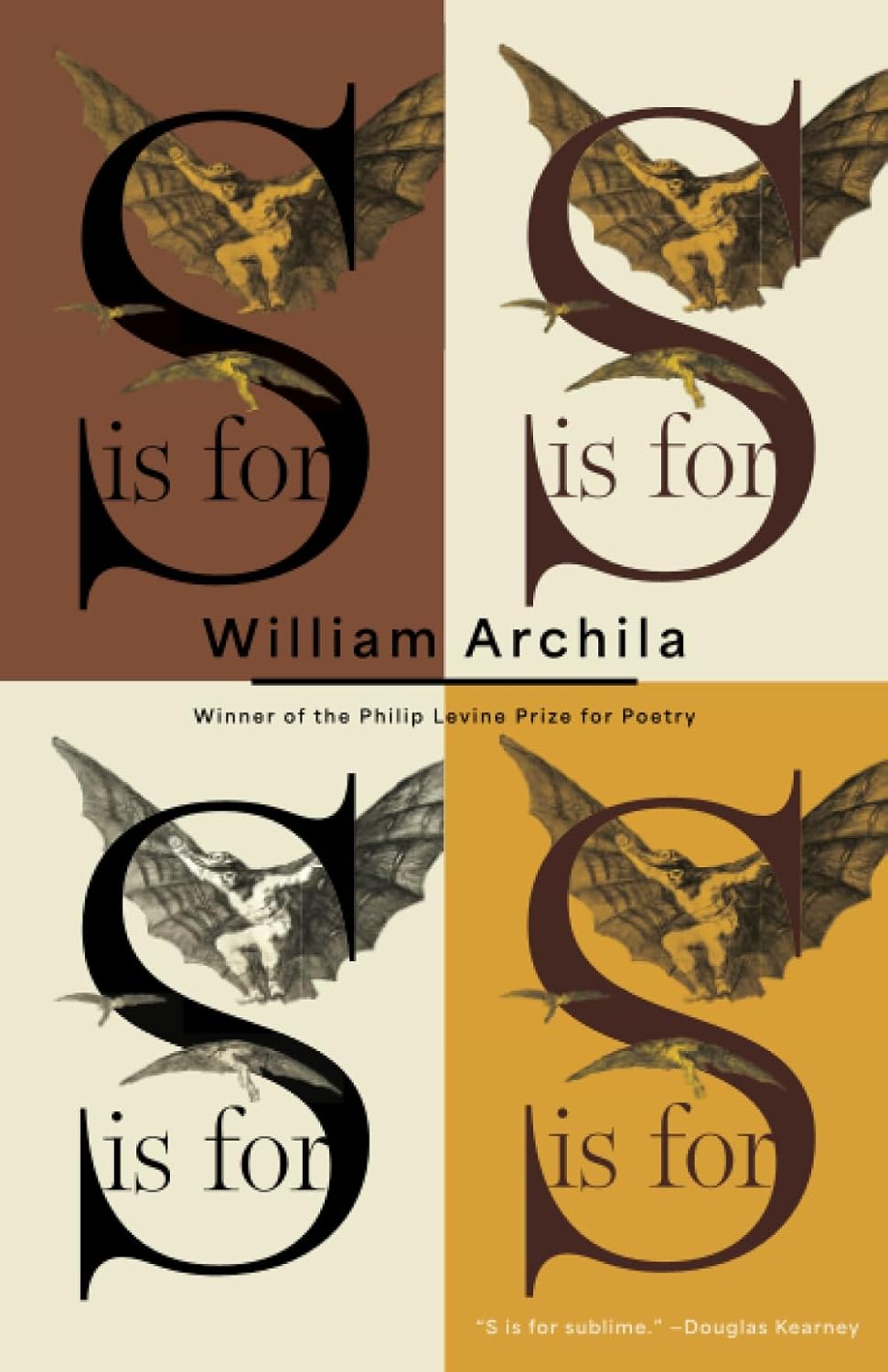
S is For (Black Lawrence Press) by William Archila
S is For is an investigation by poet William Archila of the Central American migrant crisis haunted by the past of the civil war in El Salvador, the meanings of family spirits, and trees disappearing to urban sprawl—always wielding the voice of the immigrant, the refugee, and the ever-present exile as a weapon against invisibility and displacement. Inventive and compassionate, Archila’s poems navigate the meanings of family spirits, weeds and wildflowers, and the irreverence to lay down roots with our dead. The collection expresses the importance of an inner voice from the perspective of exile—people with no country, no language, ghosts split between present and past, between home and foreign. In a variety of forms—quasi-sonnet, sestina, ekphrastic, syllabic, lyric, memorial—the poems create a bridge between flaws and fractures, between the northern region of Central America and the beloved north which is the US. S is for: every letter never uttered, but evoked.
With Dim Lights & Obsidian Tongues: A Pomona Poetry Anthology (El Martillo Press) edited by Ceasar K. Avelar and Cory “Besskeep” Cofer
Pomona’s second poet laureate Ceasar K. Avelar and the host of Pomona’s longest running poetry venue Cory “Besskepp” Cofer join forces as editors of an anthology collecting poetry and essays about the people and places of Pomona. Poets who have read and performed over the decades at poetry venues based in Pomona: A Mic and Dim Lights and Obsidian Tongues, explore themes of grief, memory, injustice, trauma, and healing. This collection features work by Michael Torres, Matt Sedillo, Judah 1, Tamara Blue, Kat Magill, Alex Tha Great, Natalie Sierra and more.
Confessions of A Sad Girl (Self-Published) Jennifer Baptiste
Confessions of A Sad Girl blends intimate reflections on emotional life with explorations of mental health, hope, and introspection. The book collects “sad girl confessions”—short lyrical pieces that meditate on vulnerability, inner struggle, identity, and resilience—interweaving poetic and prose writing with a focus on both the ache that comes with difficult feelings and the broader work of healing and self-understanding.
Lonnie Holiday (Rizzoli Electa) by John Beardsley and Harmony Holiday
Lonnie Holley’s widely admired practice spans painting, drawing, assemblage sculpture, and performance that combines experimental music and poetry.
In Lonnie Holiday’s first major monograph, every facet of his artistic practice is explored. Holiday considers Holley’s art and music as interconnected components of the artist’s overall creative vision. Beardsley focuses on the artist’s Birmingham roots connecting the cultural firmament of that city with other major creative communities in Alabama, most notably Boykin, more popularly known as Gee’s Bend, home of the famous quilters.

white men my age (World Stage Press) by Mike Bonifer
White Men My Age is a collection of poems Bonifer workshopped between 2019 and 2025 at the Anansi Writers Workshop and in the Community Literature Initiative, where writers from underserved communities get their voices heard and see their writing through to the printed page. In the process, these fellow artists became his muses, his sounding boards, his kindred spirits on a journey to celebrate one another in their most meaningful and authentic light. Sometimes the light is comedic. Sometimes it’s angry. Other times heartbreaking. Always it’s honest.
Bonifer describes the poems in White Men My Age as “A report from a spy in the camp of the oppressor.” It is his acknowledgement of his privilege. It is also an observation that we are all complicit in one another’s stories. The more clearly we can see and honor that reality, the better all our realities can be.
Shooting Stars at Sky: the Poetry of Play (Mama’s Kitchen Press) edited by Mike Bonifer
Shooting Stars At Sky—The Poetry of Play delivers poetic verses from the world’s most prominent fields and arenas, local gyms, neighborhood playgrounds, suburban backyards and distant peaks. In 70 poems by 50 extraordinary poets, it recalls shared histories, recounts life-changing competitions, and reveals our most heroic dreams.
Shooting Stars At Sky shows us that play is a metaphor for everything. It brings us together, sees us confronting our most profound challenges, and celebrates the zenith of our achievements.
Poetry is the ball that keeps the metaphor bouncing.
The Tautology of Water (Moontide Press) by Giovanni Boskovich
The Tautology of Water, Giovanni Boskovich’s debut book of poems, focuses on intersecting bodies of water and bloodlines, while exploring topics as wide-ranging as Marcel Proust and the byzantine nature of Los Angeles freeways. The book functions as an ersatz field guide to his native Southern California, but more specifically a tribute to the interstitial, overlooked towns of his youth.
The Lost Songs of Nina Simone (RIZE) by Shonda Buchanan
Shonda Buchanan weaves a prism of language, sound and light around and through the life of concert pianist, singer and Civil Rights activist, the incomprehensible Nina Simone. With this book, Buchanan is declaring this The Century of the Black Woman, providing a realistic glimpse into not only Simone’s life, but the lives of Black women in America, past and present, and their choices in a myopic, unforgiving country.
A grandchild of enslaved Africans, American Indians and Irish migrants, born into poverty as Eunice Waymon in a traditionally large family, Nina Simone lived a life few Black American women lived during the Jim Crow era in the South, yet rose to ultimately impact the world with her creative genius and determined spirit.
This book is both an emotional and historical excavation of an artist’s life, capturing the rise and descent of that life, including Simone’s family history, her childhood and young womanhood, as well as the addiction, mental health struggles and abuse. The Lost Songs of Nina Simone embodies the rich legacy—the pleats between the cloth—of Simone’s artistry, beauty, self-immolation and rage.

America Sin Fronteras (Daxson Publising) edited by Erica Castro
America Sin Fronteras is a powerful bilingual anthology that brings together the voices of Hispanic authors from across the Americas, each offering a unique perspective on identity, culture, and the immigrant experience. Featuring writers from Peru, Puerto Rico, Mexico, Honduras, Chile, Guatemala, Ecuador, and the United States, this collection of poems and stories captures both the struggles and triumphs of life across borders.
The Payback (Atria Books) by Kashana Cauley
Jada Williams is good at judging people by their looks. From across the mall, she can tell not only someone’s inseam and pants size, but exactly what style they need to transform their life. Too bad she’s no longer using this superpower as a wardrobe designer to Hollywood stars, but for minimum wage plus commission at the Glendale mall.
When Jada is fired yet again, she is forced to outrun the newly instated Debt Police who are out for blood. But Jada, like any great antihero, is not going to wait for the cops to come kick her around. With the help of two other debt-burdened mall coworkers, she hatches a plan for revenge. Together the three women plan a heist to erase their student loans forever and get back at the system that promised them everything and then tried to take it back.
A Sentimental Garden (Daxson Publishing) by Hope Cerna
A Sentimental Garden takes readers onto a bare-faced, unflinching journey through illness, grief, love, and the quiet strength found in the spaces between. This collection is a compelling and vulnerable reflection on the anticipation of grief, the experience of enduring it, and the long, uneven path of surviving it. It examines every facet of the impossible difficulties of being a caretaker in a country that so often does not care. It tells of a young daughter who is forced to become a mother to her own mother, and of relentless grief that carves its way into every moment.
Hangry Hearts (Wednesday Books) by Jennifer Chen
Julie Wu and Randall Hur used to be best friends. Now they only see each other on Saturdays at the Pasadena Farmers Market where their once close families are long-standing rivals.
When Julie and Randall are paired with ultra-rich London Kim for a community-service school project, they are forced to work together for the first time in years. It quickly becomes obvious that London has a major crush on Julie. But Julie can’t stop thinking about Randall. And Randall can’t stop thinking about how London is thinking about Julie. Soon, prompted by a little jealousy and years of missing each other, school project meetings turn into pseudo dates at their favorite Taiwanese breakfast shop and then secret kisses at the beach—far from the watchful eyes of their families.
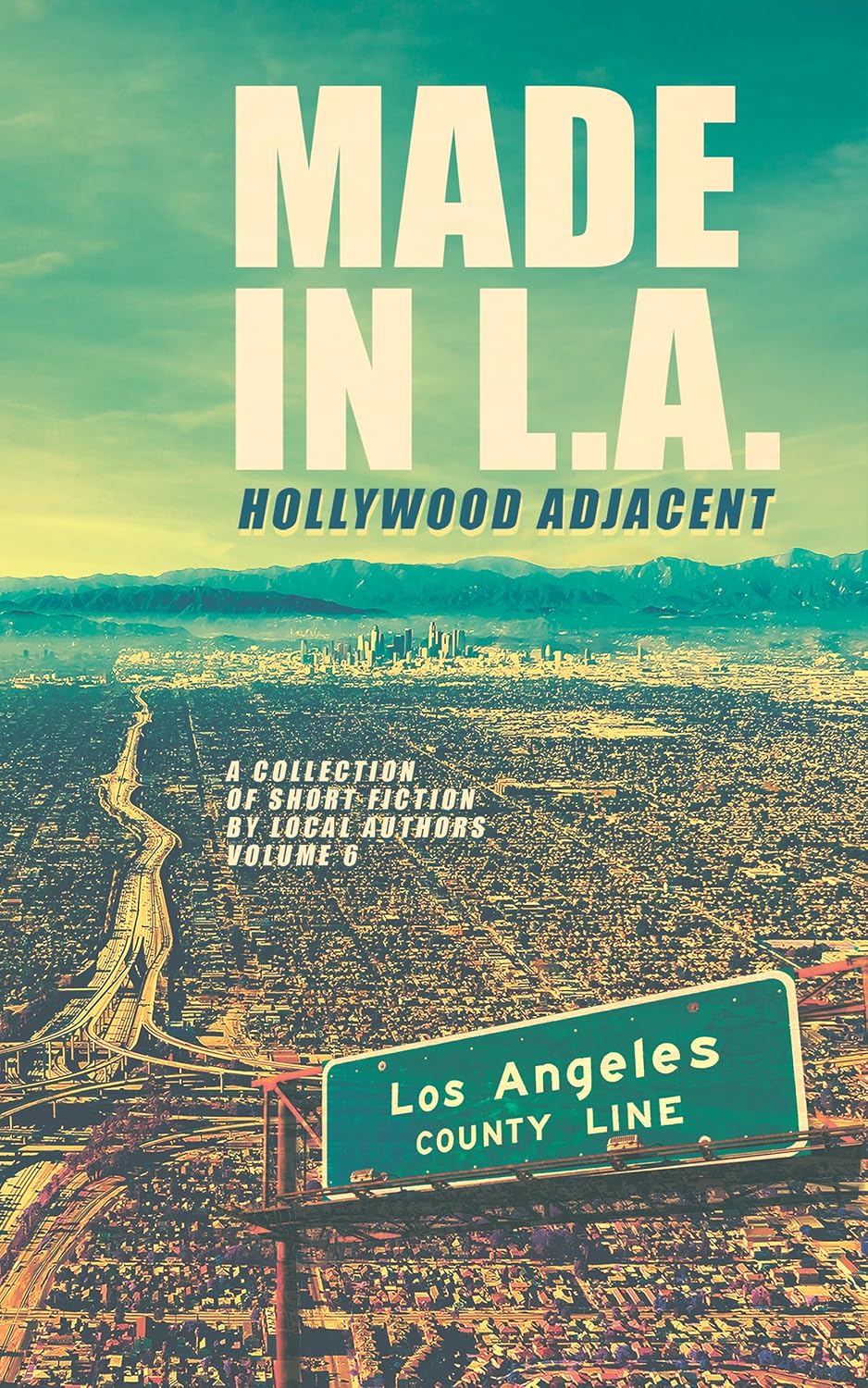
Made in L.A. Vol. 6: Hollywood Adjacent (Resonant Earth Publishing) edited by Sara Chisolm, Gabi Lorino, Allison Rose and Cody Sisco
For every A-list star, thousands of hopefuls exist just outside the limelight—striving, surviving, and redefining what success means in a city built on spectacle. Musicians chasing their big break, social media influencers crafting their online personas, service industry workers who keep the machine running, marketing professionals shaping narratives from behind the scenes—these are the voices of Hollywood Adjacent.
This collection of short fiction captures the tension between aspiration and reality, between the industry’s glossy veneer and the struggles of those living in its shadow. With an eclectic mix of genres and perspectives, the stories in this anthology explore ambition, disillusionment, reinvention, and resilience.
¡Pónk! (Nightboat Books) by Marcus Clayton
¡PÓNK! follows Moose, an alienated academic and lead guitarist for Pipebomb!, as he navigates through spaces in and out of South East Los Angeles: punk clubs, college classrooms, family gatherings, street protests, and euphoric backyard shows. Oscillating between autofiction, memoir, and lyric, Clayton blurs genres while articulating the layered effects of racism, trauma, immigration, policing, Black hair, performance, and toxic academic language to uncover how one truly becomes an “ally.” Borrowing from the spatial lyricism of Claudia Rankine, the genre-bending storytelling of Alexander Chee, and the racial musings of James Baldwin, ¡Pónk!’s narrative takes back punk rock and finds safe space in the mosh pit.
Nightshade (Little Brown and Company) by Michael Connelly
Los Angeles County Sheriff’s Detective Stilwell has been “exiled” to a low-key post policing rustic Catalina Island, after department politics drove him off a homicide desk on the mainland. But while following up the usual drunk-and-disorderlies and petty thefts that come with his new territory, Detective Stilwell gets a report of a body found weighed down at the bottom of the harbor—a Jane Doe identifiable at first only by a streak of purple dye in her hair. At the same time, a report of poaching on a protected reserve turns into a case fraught with violence and danger as Stilwell digs into the shady past of an island bigwig.
The Proving Ground (Little, Brown and Company) by Michael Connelly
Following his “resurrection walk” and need for a new direction, Mickey Haller turns to public interest litigation, filing a civil lawsuit against an artificial intelligence company whose chatbot told a sixteen-year-old boy that it was okay for him to kill his ex-girlfriend for her disloyalty.
Representing the victim’s family, Mickey’s case explores the mostly unregulated and exploding AI business and the lack of training guardrails. Along the way he joins up with a journalist named Jack McEvoy, who wants to be a fly on the wall during the trial in order to write a book about it. But Mickey puts him to work going through the mountain of printed discovery materials in the case. McEvoy’s digging ultimate delivers the key witness, a whistleblower who has been too afraid to speak up. The case is fraught with danger because billions are at stake.
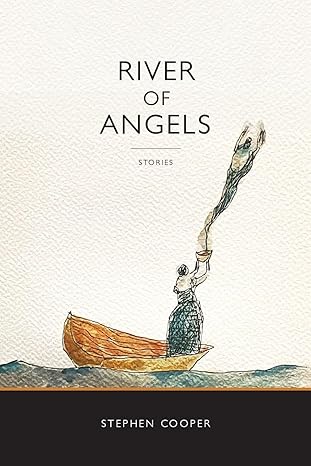
Rivers of Angels (What Books Press) by Stephen Cooper
Ten stories of blood relations, ancestral revenants, random forces, and the often-violent folly of love. Set against the double-edged splendors of greater Los Angeles, from downtown streets to studio soundstages to gated mansions, from desert to mountains to sea, these are stories of people striving to reckon with the American hands they’ve been dealt in the marked-card gamble of their lives.
Mothers and fathers, sons and daughters, husbands, wives, and roving agents of chaos collide here with sometimes comic, often tragic but always lasting effects. In story after story something happens that matters—not least to the reader.
The Big Empty (G.P. Putnam’s Sons) by Robert Crais
Traci Beller was thirteen when her father disappeared in the sleepy town of Rancha, not far from Los Angeles. The evidence says Tommy Beller abandoned his family, but Traci never believed it. Now, ten years later, Traci is a high-profile influencer with millions of followers and the money to hire the best detective she can find: Elvis Cole.
Elvis heads to Rancha where an ex-con named Sadie Givens and her daughter, Anya, might have a line on the missing man. But when Elvis finds himself shadowed by a gang of vicious criminals, the missing persons cold case becomes far more sinister.
The Parachutist (Sundress Publications) by Jose Hernandez Diaz
In The Parachutist, Jose Hernandez Diaz weaves a breathtaking tapestry of poetry that delves into the heart of the Chicano experience. Diaz’s poetic voice shines brightly, capturing the tension between inherited struggles and present-day privilege, translating the untold stories of his ancestors into vivid, surreal verses. This collection is a tribute to those who, due to circumstance, could not tell their stories, as if the speaker is furiously documenting the poetry they never had the chance to create.
Against the backdrop of Southern California and the mystical landscapes of Mexican mythology, Diaz’s poetry blurs the lines between reality and fantasy.
Portrait of the Artist as a Brown Man (Red Hen Press) by Jose Hernandez Diaz
This collection consists of odes to the Mexican American, first-gen experience as well as surreal prose poems with cultural references and settings native to the Los Angeles area.
Portrait as an Artist opens with odes to everyday images and symbols of the Latinx community. In an age of elevated racism, these odes seek to celebrate Latinx culture in the face of constant scapegoating, ridicule, and surveillance. Also, this collection explores surreal prose poetry both in the suburbs and barrios of Los Angeles and the larger American landscape.
Fix-It Familia (HaperCollins) by Lucky Diaz
No job is too big, no task is too small. We’re the Fix It Familia. We help one, we help all!
Chavo and his family are always there to lend a helping hand. So when the main parade float crashes at a neighborhood fiesta, Chavo has the perfect plan to help his community. With a load of creativity and a truck full of love, nothing can stop Chavo’s ideas from becoming reality!

Closer in the Rearview (Big Six) by Tommy Domino
Closer in the Rearview are poems captured in the cadence of Spoken Blues. These pieces were carefully prepared like gumbo, the ingredients: Blues, Jazz, R&B, and Hip-Hop, and the incessant echoes in the backdrop. Spoken Blues are the words wrestling in the spirit of a poet. This collection reflects natural evolution. The more we seek to change, the more it becomes like an exercise of scraping a stout myriad of layers. At times in life, we discover the person we are running from in our past is also the person that exists in the future. This book is about the person trapped in the center, which in reality is the moment, and the challenge to be present and stay rooted in it.
The Reformatory (S&S/Saga Press) by Tananarive Due (Paperback Edition)
Gracetown, Florida.
June 1950.
Twelve-year-old Robbie Stephens Jr. is sentenced to six months at the Gracetown School for Boys, a reformatory, for kicking the son of the largest landowner in town in defense of his older sister, Gloria. So begins Robbie’s journey further into the terrors of the Jim Crow South and the very real horror of the school they call The Reformatory.
The Cleaving: Vietnamese Writers in the Diaspora (University of California Press) edited by Lan P. Duong, Isabelle Thuy Pelaud and Viet Thanh Nguyen
Edited by Isabelle Thuy Pelaud, Lan P. Duong, and Pulitzer Prize–winning author Viet Thanh Nguyen, The Cleaving brings together Vietnamese artists and writers from around the world in conversation about their craft and how their work has been shaped and received by mainstream culture and their own communities. This collection highlights how Vietnamese diasporic writers speak about having been cleaved—a condition in which they have been separated from, yet still hew to, the country that they have left behind.
Composed of eighteen dialogues among thirty-seven writers from France, Indonesia, Kyrgyzstan, Canada, Australia, Israel, and the United States, the book expands on the many lives that Vietnamese writers inhabit. The dialogues touch on family history, legacies of colonialism and militarism, and the writers’ own artistic and literary achievements. Taken together, these conversations insist on a deeper reckoning with the conditions of displacement.
We Have Waited Long Enough (Alpine Ghost Press) by James Duncan, Gabriel Ricard and Kevin Ridgeway
We Have Waited Long Enough is a boundary-pushing collaboration that turns the act of poetic response into an artistic journey. Born from a circular exchange between three distinct voices—James Duncan, Gabriel Ricard, and Kevin Ridgeway—this collection traces a year-long conversation in verse. Beginning with a handful of poems shared between friends, the trio built a collection by answering, revisiting, and reshaping each other’s work, borrowing images, phrases, and ideas until a lyrical tapestry emerged.

Xicane Soup 4rom Le Soul: Medicinal Writings on the Way Home (World Stage Press) by Josué Emmanuel
Xicane soup 4rom Le Soul, is a radical Spanglish love letter to and from the decolonizing heart. This queer poetic expression names uncomfortable truths and seeks to build bridges on the page toward a loving and accepting future (on the way home).
The White Picket Fence: Stories of Individuality as Rebelliousness (FlowerSong Press) edited by Gina Rae Duran and Edward Vidaurre
My ideas for this anthology, The White Picket Fence: Stories of Individuality, as Rebelliousness, Gina Rae Duran says, first spurred on March 17, 2024, while I interviewed Professor Brandi Wells on my radio show, The Collective. Wells came onto the show to discuss their recent novel, The Cleaner, and shared how the main character was queer, and their love interest is nonbinary. Wells made a point to share that the story didn’t focus on the characters’ sexuality or gender identities. The characters lived their lives without the trauma of homophobia or transphobia. Why would they need to when there were more important things like sinister CEO’s? It was a stimulating interview about transformation—analyzing how coming out as nonbinary affected Wells’ life while growing up in a rural Georgian town. We discussed how people want to fit in and how some people, like me, rebel against the feeling of sameness, rejecting conformity and societal norms. It was because of this conversation that I recalled when my little sister wanted to do everything I did, which inevitably led up to an encounter with The White Picket Fence.
Somewhere, a Playground (Moontide Press) by Rich Ferguson
Somewhere, a Playground is a symphony of survival, a lyrical reckoning with grief, resilience, and the echoes left behind. In a country where bullets haunt playgrounds and bars, where America’s promises arrive postage-due, and history repeats itself like a jukebox stuck on the same track, these poems refuse to let the lost become mere ghosts. Instead, they summon color, song, and defiance—Nirvana echoes in a child’s t-shirt, Brit punk moshes with honky-tonk, and a karaoke bar becomes a battleground for harmony. Wings are stitched to old wounds, voices rise from the static, and the hum of a heart built from lion’s roar and amp feedback refuses to dim. This is L.A.’s heartbeat—a testament to the human spirit’s refusal to break. Somewhere, a Playground is a raw and relentless testament to the human heart’s resilience, still singing—”hello, hello, hello”—even in the dark.
Prayers With a Side of Cash: Poems While Driving Across America (Moontide Press) by Kathleen Florence
Prayers With a Side of Cash follows a filmmaker’s road trip from New York to Los Angeles, capturing moments through a series of poems that reframe the classic American road trip through a female perspective. Along highways and rest stops, encounters with hitchhikers, strangers, ghosts, and landscapes inscribed with symbols and contradictions explore belonging in a country in flux. The collection asks what it means to travel not only through space but through the shifting stories that shape us. Written in a moment of cultural uncertainty, the poems serve as both a personal pilgrimage and exploration of American identity, accompanied by a soundtrack that dares believe there is hope to be found in the sweetness of life.

Iconistas! (Lit Kit Collective) by Margaret Elysia Garcia
A homage to the women who fought during the Mexican revolution and after, in particular celebrating artists, activists, and writers. A zine-like poetry work that blends political, historical, and feminist themes through poetic homage and reflection.
All The Sad Music (DSTL Arts) by Nikolai Garcia
Nikolai Garcia’s sophomore chapbook, All the Sad Music, is an ekphrasis experiment that explores the relationship between music and poetry. Songs and memory blend together to explore the universal themes of love, loss, beginnings, and endings. Rather than simply describing music, the work investigates how musicality and mood intertwine with personal and emotional landscapes, translating the affective power of sound into poetic language.
Only Way Out (Thomas & Mercer) by Tod Goldberg
Failed lawyer Robert Green has such a good plan: Crack three hundred safe-deposit boxes and sail off to South America with his brilliant, morally flexible sister, Penny. If it weren’t for the damned freezing rain.
In the dying resort town of Granite Shores, cop Jack Biddle is self-appointed king—mostly of bad decisions. Between his family’s crumbling legacy, a wife who just joined the city council, and life-threatening gambling debts, Jack’s looking for a way out. Then he spots a van spinning off a mountain road into the valley below. In the wreckage, Jack finds a very dead Robert, millions in heisted loot…and opportunity.
All Jack has to do is clean up the mess, disappear Robert’s body, make off with the fortune, and not get caught. One hitch is Penny. Another is Mitch Diamond, a wild card ex-con who knows more about the missing fortune than he lets on. Jack, Penny, and Mitch each have an endgame. But there’s only one way out, and they’re crashing headlong toward it.
Catching Fire: The Los Angeles Wildfires (Rose of Sharon Press) edited by S.A. Griffin and Richard Modiano
Fifty-eight writers come together in this new anthology to rise from the ashes of the January 2025 Los Angeles fires in Altadena and the Palisades. About a dozen writers in the collection lost their homes and there are some gut wrenching reflections on the unprecedented tragedy. There are also beautiful tributes to the many multigenerational Black Angelenos who have called Altadena home for over a century. Though this book was just published a few weeks ago in early December, I had to get in on this list because of its poignancy. One of the writers, Pam Ward has had family in the Pasadena/Altadena area since 1904. Her poem honoring the late Victor Shaw who died protecting his Altadena home, captures the resilience of our city. “Sometimes you fight,” Ward declares, “until all the sweat leaves your skin holding on, holding the last weapon you possess even if it’s just a water hose in your hand.” —Mike Sonksen
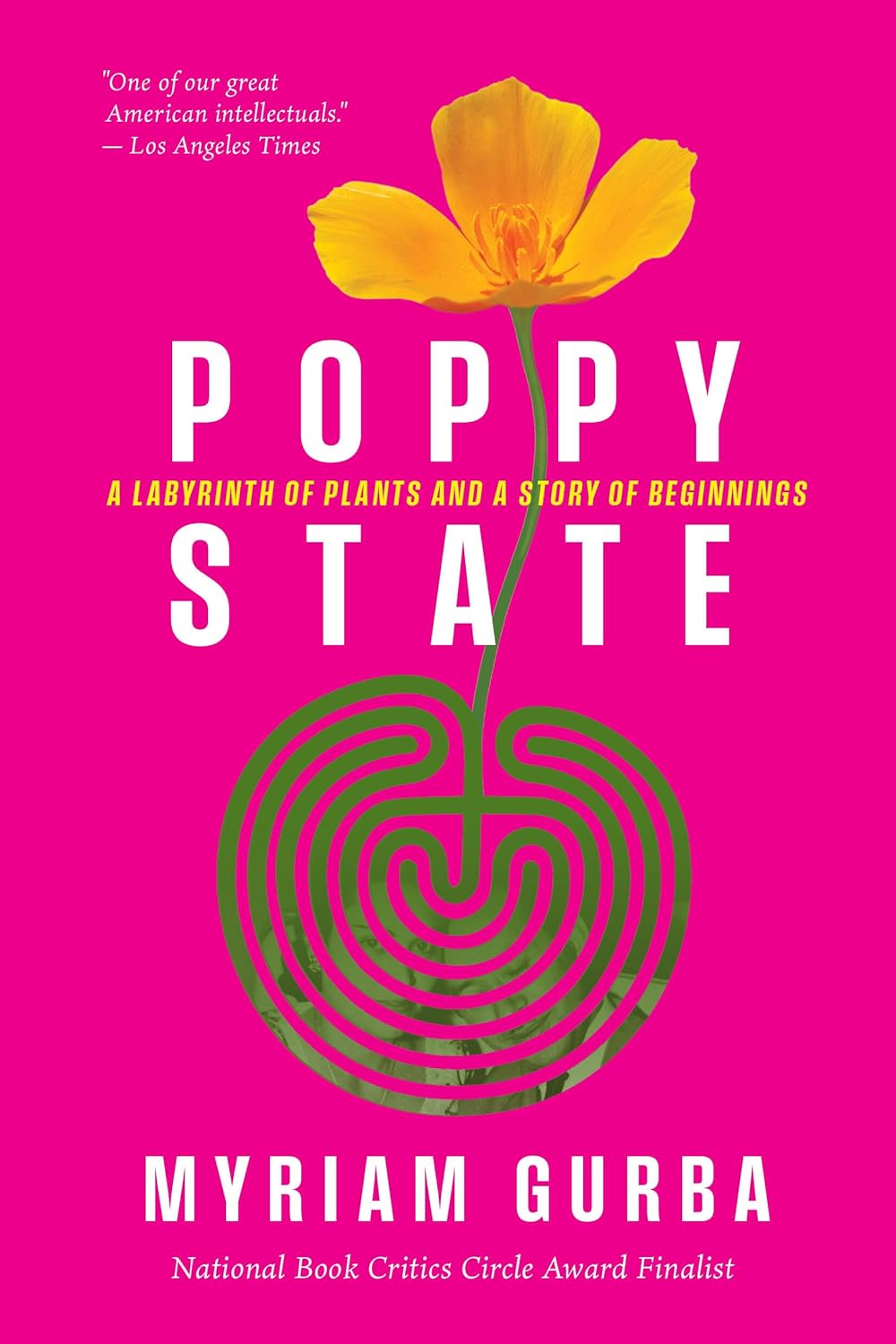
Poppy State: A Labyrinth of Plants and a Story of Beginnings (Timber Press) by Myriam Gurba
Myriam Gurba has lived in California her entire life, with its plants and soils, forests and ecology, immersing herself in the language of the landscape as refracted through the languages and memories of her ancestors. In Poppy State, California plants serve as structural anchors in a wildly inventive work of narrative nonfiction that is part botanical criticism, part personal storytelling, part study of place. Gurba traverses themes of language, power, ancestry, and California’s ecology, in masterfully constructed sentences that seem to defy gravity, in the structure of a labyrinthine secret garden. The reader is invited to commune with California with Gurba as their guide, and is ushered through a compendium of anecdotes, reminiscences, utterances, lists, incantations, newspaper articles, and other ephemera.
A Year in Submission (Self-Published) by Daryl Gussin
A Year in Submission is a raw, unfiltered collection of fifty poems born from rejection, resilience, and the stubborn necessity to create. Penned by longtime punk writer and Razorcake editor Daryl Gussin, this book chronicles a year spent submitting work to countless outlets—mostly facing “no”—and transforming the bruises of dismissal into fierce, unflinching verse.
Southern California: Writing From The Road 1992-2025 (Hinchas Press) by Adolfo Guzman-Lopez
Southern California: Writing From the Road, 1992-2025 is the first collection of prose and poetry by longtime Los Angeles-based poet and journalist Adolfo Guzman-Lopez.
Guzman-Lopez writes about the head-swirling images and sounds at the U.S.-Mexico border crossing in Tijuana, as well as growing up Mexican and undocumented in blue-collar National City, and surf-city Pacific Beach, as well as the Los Angeles he’s spent nearly 25 years reporting on for the NPR affiliate in L.A.
Guzman-Lopez’s writing takes the reader along the neighborhoods of Southern California seen through the lens of an immigrant, father, husband, son, poet, journalist, Mexican, and American.
Look What I Did About Your Silence (El Martillo Press) edited by gábor g. gyukics, Edoardo Olmi and Matt Sedillo
Look What I Did About Your Silence is a multilingual anthology compiling contemporary poetry from the United States and Europe addressing the many ways poets contemplate and respond to the concept of silence: divine and interpersonal silences; as well as the silences in public spaces that allow for everyday injustices and great atrocities. Edited by Matt Sedillo, Edoardo Olmi, gábor g.gyukics and Loris Ferri. Cover art by Alessandro Giampaoli.

Motherlands (Finishing Line Press) by Camille Herandez
Motherlands is a lyrical meditation on the parallel journeys of motherhood and immigration—each a radical act of love, each a quiet kind of loss. In this collection of poems, the speaker navigates the shifting terrain between daughter and mother, homeland and new land, memory and body. With tenderness and grief, Motherlands explores how the severance of migration echoes the ruptures of childbirth, and how both leave behind a scarred but sacred map.
Drawing from the poet’s experience as a second-generation American, the daughter of an immigrant mother, Aunty, niece, and mother of three children, this chapbook asks: What do we lose when we cross borders—geographic, generational, or otherwise? What do we carry forward? What language do we give our children, and what silence?
Bachelor (FlowerSong Press) by Gustavo Hernandez
In Bachelor’s opening poem, Gustavo Hernandez writes “I often stand right here and wonder about my voice. What it is now.” The “here” in Hernandez’s poems is opalescent: the physical and spiritual footprint of the family home; the wide wake of loss; the stillness of guarded detachment; and the threshold of new love, of the future. In these liminal waystations, the voice of Bachelor’s speaker reaches out to love, passion, heartbreak, inheritance, familial responsibility, and legacy. Many of the poems in this collection share titles: “Bachelor,” “Husband,” “Son,” “Nocturne,” “Conclusion.” Each of these words becomes a paradigm that Hernandez mines in his compressed and focused style, each a different interpretation, a facet of the consummate bachelor trying to reconcile the recollected past with the rapid pace of the present tense, trying to establish and maintain connection, trying to comprehend relation and condition.
Silent Scars of Healing Hands: Oral Histories of Japanese American Doctors in World War II Detention Camps (Applewood Books) Naomi Hirahara and Gwen M. Jensen (Rerelease)
Within the confines of detention centers in their own country, Japanese Americans who practiced medicine worked under the most dire conditions during World War II. Collected by a special team organized by the Japanese American Medical Association, these oral histories tell the stories of men and women who depended on ingenuity and compassion to care for their patients in remote makeshift hospitals. In this updated edition, the lives of incarcerated Japanese American medical professionals who endured the wound of a nation’s betrayal reveal the triumph of community and care amid hardship.
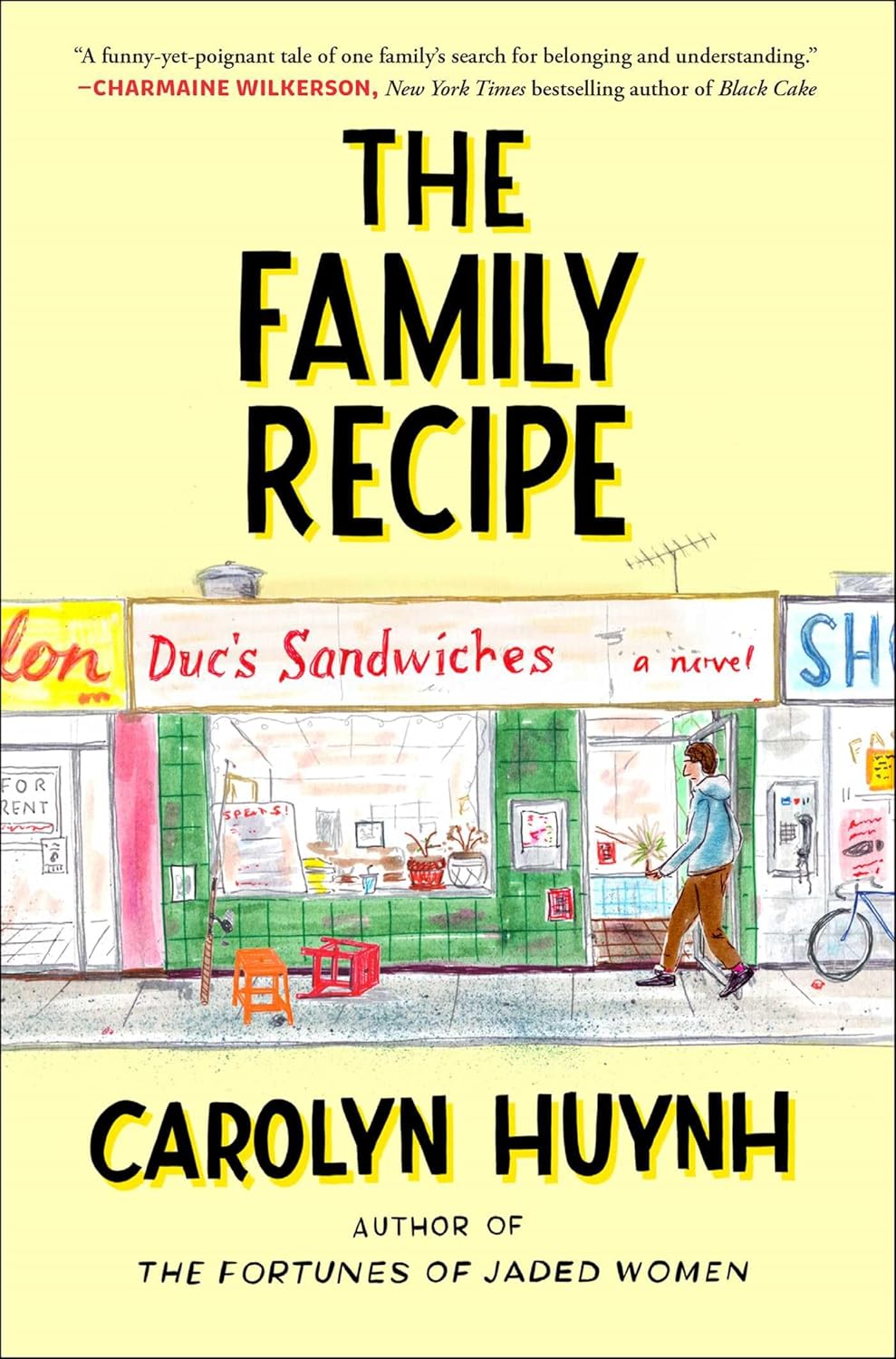
The Family Recipe: A Novel (Atria Books) by Carolyn Huynh
Duc Tran, the eccentric founder of the Vietnamese sandwich chain Duc’s Sandwiches, has decided to retire. No one has heard from his wife, Evelyn, in two decades. She abandoned the family without a trace, and clearly doesn’t want anything to do with Duc, the business, or their kids. But the money has to go to someone. With the help of the shady family lawyer, Duc informs his five estranged adult children that to receive their inheritance, his four daughters must revitalize run-down shops in old-school Little Saigon locations across America: Houston, San Jose, New Orleans, and Philadelphia—within a year. But if the first-born (and only) son, Jude, gets married first, everything will go to him.
Later Days (Rare Bird Books) by Chip Jacobs
As their elite, all-boys prep school turns coed, transforming from suburban Lord of the Flies to gender-roiled soap-opera, two unlikely friends—Luke Burnett and Denny Drummond—alternate rescuing each other from self-destruction amid troubled home lives. Eager to maximize their era as invincible seniors at Stone Canyon Prep, they and their pals commandeer Bob’s Big Boy, explore the secret world beneath Caltech, stumble into a possibly-supernatural lab animal, and grapple with near-ODs at a playoff game.
Just as our heroes manage to graduate, their bond is shattered by a wild gunshot that’ll haunt them for decades. Twenty years later, Luke is a high-powered journalist with a nosediving career, while Denny, a visionary software engineer, is socked by a terminal diagnosis. Desperate to make amends for that coyote shot, Denny guilts his estranged friend into helping him, all climaxing with a Hail Mary bid to demystify mortality, with an assist from Elizabeth Kubler-Ross, while reconnecting with what matters most.
Later Days is a powerful exploration of the ties that bind and break us. Perfect for readers drawn to rollercoaster friendships, forgiveness, and the raw beauty of life skimming its edges to Near-Death Experience. With insight into Pasadena’s buried histories and the psychological baggage of growing up in the shadows of “Great Men” fathers, Jacobs’ second novel is as emotionally resonant as it is intellectually sharp.
Open Season (Ballantine Books) by Jonathan Kellerman
People come to Los Angeles to chase their dreams. Sometimes they find themselves cast into a nightmare. And sometimes, the most ardent dreamers turn out to be the most vicious monsters.
The body of an aspiring actress is found dumped near a hospital emergency room. She’s been drugged and murdered and the motive for the callous crime remains maddeningly out of reach. Until, a prime suspect materializes. Another Hollywood hopeful. Only to be shot dead by a sniper using a weapon that turns out to have been catalogued in a previous murder. And another, before that. It’s not long before more bodies begin piling up.
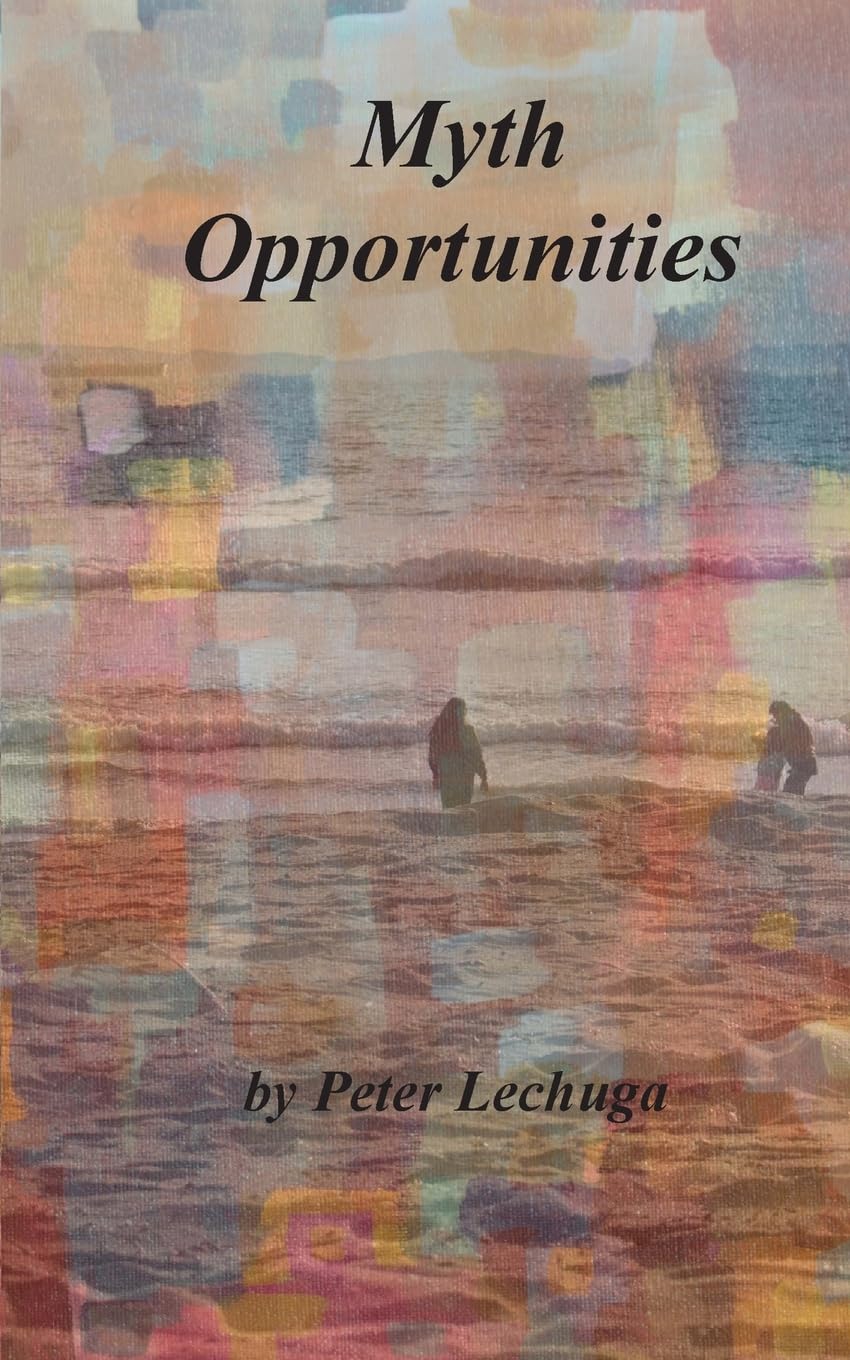
Myth Opportunities (Daxson Publishing) by Perer Lechuga
Peter Lechuga crafts a debut poetry collection where the personal and the mythic collide. Drawing from his Mexican-American upbringing in Southern California, Lechuga weaves together the ancient and the contemporary, blending Aztec and Greek mythology with raw, heart-wrenching stories of love, loss, and the search for meaning. With intricate rhyme schemes and lyrical finesse, he transforms personal pain into powerful, timeless mythologies-inviting readers to witness the sacred and the everyday in new and profound ways. These poems don’t just tell stories–they forge new myths.
Russeting Fruits (Daxson Publishing) by Katherine Preza Leonor
Russeting Fruits by Salvadoran American poet and writer, Katherine Preza Leonor, is a politically charged and deeply personal literary collection that blends poetry, short stories, and essays to explore the realities of life as a person of color in the United States under the specter of contemporary political turmoil. At its core, the book responds to the fraught climate under the Trump administration and its aftermath while giving voice to experiences too often marginalized.
Rather than clinging to the myth of the American Dream, Russeting Fruits reframes these narratives through the lens of lived experience and cultural survival, offering a counter-narrative to societal erasure and political hostility.
Crime Wave (Giant Claw) by Suzanne Lummis
These Personae relate their stories in voices darkly comic, irreverent, fantastical or in the manner of 21st century urban realism. Crime or shady dealings is the throughline, from the low streets to corruption and deceit at the highest echelons of power. Even the dead can’t stop talking. Or tweeting. Suzanne Lummis, a principal definer of the poem noir, now, in her fourth collection, gives full expression to the stark, tearless sensibility.
Poetry Goes to the Movies (Beyond Baroque Books) edited by Suzanne Lummis
Poetry Goes to the Movies, an anthology of national reach, with poems exploring aspects of individual films, the movie-going experience, movies and memory, and in context of the larger culture, as well as “the industry” and the behind-the-scenes production end. Poets featured include D. A. Powell, Lynn Emanuel, Ed Hirsch, Martín Espada, Dorothy Barresi, John Murillo, Tim Seibles, Kim Addonizio and A. Van Jordan.
In Poetry Goes to the Movies, poets of Los Angeles, along with noted poets from across the country, re-imagine, recollect, pay homage to, or argue against, movies and the many figures connected to them. Responding to movies from Nosferatu (1922) to Killers of the Flower Moon (2023), these voices express something of the concerns and manners of our times. And then there are those moods that never go out of style, the tenderness, pathos, bawdy mischief, bouts of dissatisfaction and, sometimes, surpassing wonder.

Chillona Chingona (Daxson Publishing) by Ely Lupe
Chillona Chingona is a book for people on the lifelong, intentional journey of finding their best, most favorite selves. For the overthinkers, the ones who live in their heads. For dreamers, especially daydreamers, who are constantly imagining other realities. For those upset with the current state of the world. for those who struggle to find the beauty in life and stay afloat. For those who have thought about disappearing, you matter. For those who struggle to feel like they are enough, you are. For heart on the sleeve wearers, who bleed empathy, you are loved. For people who embrace the duality of their soft and strong selves, you belong. And especially for first generation people, especially women, attempting to reconcile the identities that live within and being true to oneself. In this poetry collection, you will witness the journey of a poet who has struggled with all of these issues and found solace through poetic expression. You are not alone. The pain is real, but there exists healing on the other side of the written word. Reading and writing poetry will lead you to a journey of self-discovery where you can finally feel comfortable in your own skin, and through this healing you will thrive.
The Great Mann (Crown) Kyra Davis Lurie
In 1945, Charlie Trammell steps off a cross-country train into the vibrant tapestry of Los Angeles. Lured by his cousin Marguerite’s invitation to the esteemed West Adams Heights, Charlie is immediately captivated by the Black opulence of L.A.’s newly rechristened “Sugar Hill.”
Settling in at a local actress’s energetic boarding house, Charlie discovers a different way of life—one brimming with opportunity—from a promising career at a Black-owned insurance firm, the absence of Jim Crow, to the potential of an unforgettable romance. But nothing dazzles quite like James “Reaper” Mann.
Reaper’s extravagant parties, attended by luminaries like Lena Horne and Hattie McDaniel, draw Charlie in, bringing the milieu of wealth and excess within his reach. But as Charlie’s unusual bond with Reaper deepens, so does the tension in the neighborhood as white neighbors, frustrated by their own dwindling fortunes, ignite a landmark court case that threatens the community’s well-being with promises of retribution.

1925: A Literary Encyclopedia (Rare Bird Books) by Tom Lutz
The year 1925 was arguably the peak of literature’s centrality. There were more magazines, more journals, more reviews, more book news, and more book gossip than ever before or since. Literature’s rivals for cultural attention were on the rise—film was becoming a more significant part of people’s media diet, radio was just taking off, television technologies were advancing—but literature was still king. Even mediocre books got dozens of reviews, and the reviews were (most often) thoughtful and intellectually engaged. The belief that literary writing was an essential and consequential business was nearly universal. Modernist ferment continued to excite discussion while the pulp revolution in genre fiction—detective stories, science fiction, Westerns, romance—was booming. These popular books, even if sometimes condescended to, were also given thoughtful review attention.
Chagos Archipelago (Red Hen Press) by Tom Lutz
Mónica has had enough of her life as a contract killer when she meets lonely wanderer Frank Baltimore in a stupidly expensive resort in Madagascar. A few hundred miles away, Alain has had more than enough of his solitary post on a tiny island in the middle of the Indian Ocean, and so when the mysterious Skye offers him a job, he says yes—he doesn’t know if she is CIA, Wagner, Darkwater, or a gangster, but he wants in. She takes him to Diego Garcia, the top-secret US military base in the middle of the Indian Ocean, for training. Things turn ugly and deadly when a man from Frank’s past turns up trying to break into the lucrative, secretive, already crowded world of paramilitary contractors. He, Monica, Alain, and Skye end up on his bad side and turn to each other for help.
And Still Her Voice (Sibylline Press) by Ruthie Marlenée
It’s Easter, 1967, when Anna LeMar, a lonely half-Mexican teen, stabs her father and runs away, but she’s not alone. Grandma Phoebe, her dead white grandmother, has colonized her brain and hitched along in a mental sidecar for the ride of their lifetime. Anna has also inherited Grandma’s musical talent and so reluctant travel companions, they navigate the world with Anna’s guitar strapped to her back and the knife she used on her father strapped to her leg.
Soul Open (Daxson Publishing) by Jeffrey Martin
Soul Open is a book that reflects the poet’s struggles in navigating difficult experiences in his life. In this collection of poetry the poet exposes his soul, and paints a picture of the pain and suffering he endures, but at the same time moves forward towards healing. For some reason the poet couldn’t cover up real emotions, and he couldn’t smile at the right moment and mask the pain. The journey in this collection is raw and real. The poet spills the words on the page, and this allows him to move forward, cry and curse. The honesty in this collection is compelling. There is no hiding or painting of soft landscapes. The poet is emotionally naked and he represents the quote “Tell the truth and shame the devil” as the old folks used to say. This book is a vulnerable masterpiece that leaves the reader in a state of understanding and compassion. When reading the truth in this book, it leaves readers less alone because the author drops all walls and shows his true authenticity.
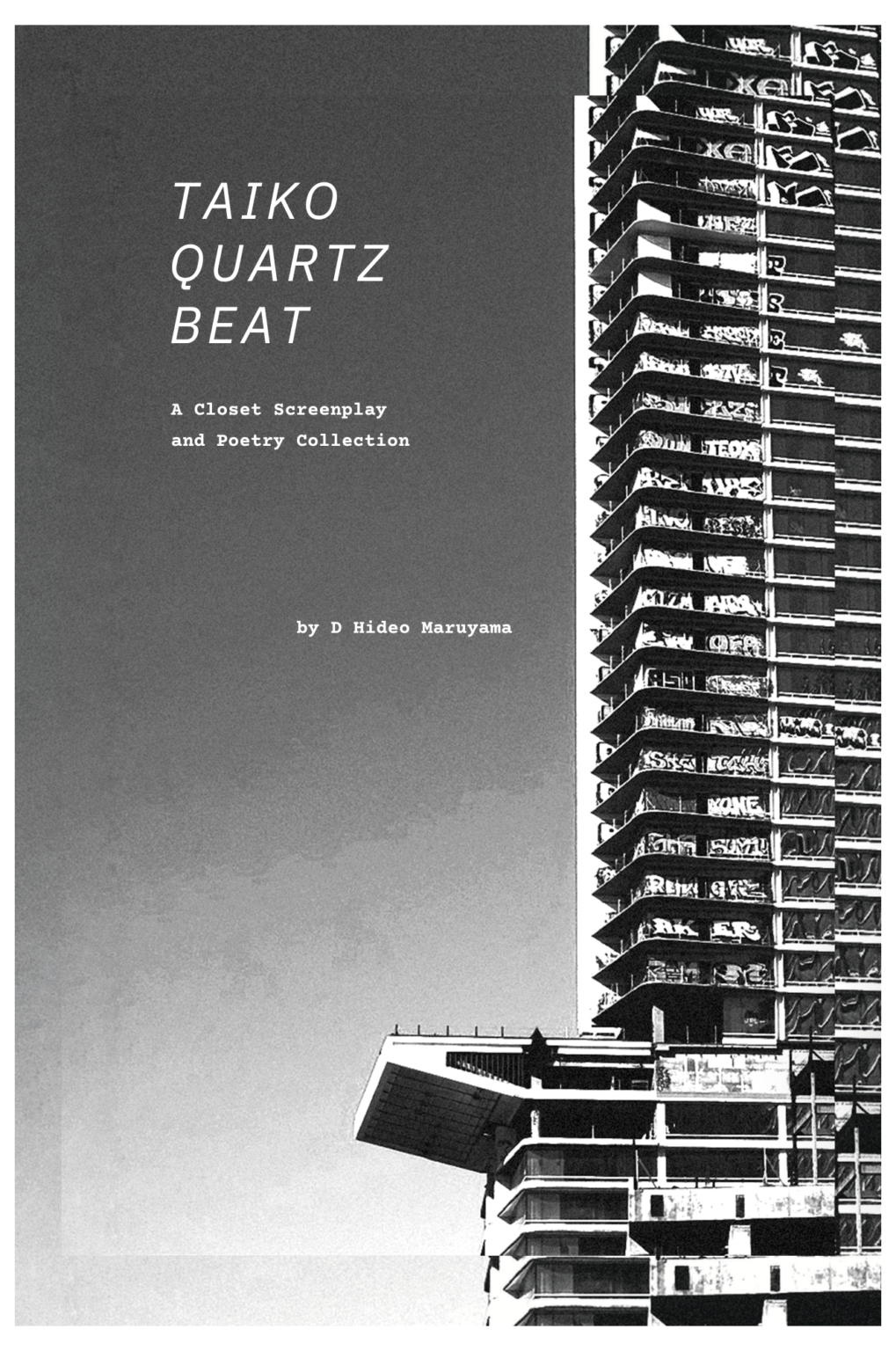
Taiko Quartz Beat (World Stage Press) by D Hideo Maruyama
Taiko Quartz Beat is the result of several decades of writing dating from the 1990s. It contains “Quartz City”, which is a closet screenplay, and other poems in thematic sections often examining Los Angeles from a historical perspective.
Hollywoodski (Tiger Van Books) by Lou Matthews
Dale Davis is a man encumbered by a natural writing talent, corrupted by early success, and reduced to scrambling for crumbs. He arrives in Hollywood, unbattered and innocent, with a novel about his days as an almost Olympic-caliber swimmer. But his faith in the prevailing powers of talent and justice in Tinseltown leaves him essentially black-listed and unemployable, a talented writer who just can’t get paid. Despite the fading of a once-promising career, Davis still believes that his talent will propel him back into prominence. But that belief, in Hollywood, is about as realistic as the belief that “Someday my prince will come,” and as likely to make you depressed and crazy.
Hollywoodski is a nonlinear journey through Davis’s life, weaving his memories with stories he’s written over the years, charting how his hopes and dreams have changed over time. Featuring stories originally published in prominent publications such as The New England Review, ZYZZYVA, and Black Clock, Hollywoodski is a sweeping and inventive telling of the strange avenues that a life follows.
Kintsugi (Daxion Publishing) by Jamie Maxwell
Maxwell’s debut collection, Kintsugi, is a manifestation of recovery, weaving poetry that speaks to the broader human struggles of foster care, addiction, and domestic violence. These experiences, often marked by silence and stigma, become in her work a place of honesty, reflection, and renewal.
Gray Dawn (Mulholland Books) by Walter Mosley
The name Easy Rawlins stirs excitement in the hearts of readers and fear in the hearts of his foes. His success has bought him a thriving detective agency, with its first female detective; a remote home, shared with children and pets and lovers, high atop the hills overlooking gritty Los Angeles; and more trouble, more problems, and more threat to those whom he loves. In other words, he’s still beset on all sides.
A number of below-the-law powerbrokers plead with Easy to locate a mysterious, dangerous woman—Lutisha James, though she’s gone by another name that Easy will immediately recognize. 1970s Los Angeles is a transient city of delicate, violent balances, and Lutisha has disturbed that. She also has a secret that will upend Easy’s own life, painfully closer to home.
Matriarchy: Sacred Poems (El Martillo Press) by Briana Muñoz
In Matriarchy Briana Muñoz’s inhabits a perspective that is sometimes beyond the parameters of our colonized languages. Through this perspective she honors her indigenous lineage through her ancestral history as she reminds us that, despite it all, we belong to mother earth, to our own mothers, to the land and rivers, and to one another.
To Save and to Destroy: Writing as an Other (The Charles Eliot Norton Lectures) (Belknap Press: An Imprint of Harvard University Press) by Viet Thanh Nguyen
Born in war-ravaged Vietnam, Viet Nguyen arrived in the United States as a child refugee in 1975. The Nguyen family would soon move to San Jose, California, where the author grew up, attending UC Berkeley in the aftermath of the shocking murder of Vincent Chin, which shaped the political sensibilities of a new generation of Asian Americans.
The essays here, delivered originally as the prestigious Norton Lectures, proffer a new answer to a classic literary question: What does the outsider mean to literary writing? Over the course of six captivating and moving chapters, Nguyen explores the idea of being an outsider through lenses that are, by turns, literary, historical, political, and familial.
A List of Things I Lost (World Stage Press) by Grace Olguin
A List of Things I Lost blends lyric poetry, prose fragments, and contemplative essays to chart the quiet terrain of loss and the unexpected shapes it leaves behind. These pieces explore the emotional distance, spiritual searching, and the tender work of piecing together a life in motion.
Ecstasy (G.P. Putnam’s Sons) by Ivy Pochoda
Lena wants her life back. Her wealthy, controlling, humorless husband has just died, and now she contends with her controlling, humorless son, Drew. Lena lands in Naxos with her best friend in tow for the unveiling of her son’s, pet project–the luxurious Agape Villas.
Years of marriage amongst the wealthy elite has whittled Lena’s spirit into rope and sinew, smothered by tasteful cocktail dresses and unending small talk. On Naxos she yearns to rediscover her true nature, remember the exuberant dancer and party girl she once was, but Drew tightens his grip, keeping her cloistered inside the hotel, demanding that she fall in line.
Lena is intrigued by a group of women living in tents on the beach in front of the Agape. She can feel their drums at night, hear their seductive leader calling her to dance. Soon she’ll find that an ancient God stirs on the beach, awakening dark desires of women across the island. The only questions left will be whether Lena will join them, and what it will cost her.
Underground Samoan Orator (World Stage Press) by The Usolosopher Poet
In Underground Samoan Orator the reader is taken on a journey to Long Beach, California and Samoa through the Usolosopher’s perspective. The book features poems from his previous books and new poems to give the reader his best works. The vulnerability of this big man’s poetry will have you in deep thoughts, in awe, and with tears of joy and pain.
Atmosphere: A Love Story (Ballantine Books) by Taylor Jenkins Reid
Joan Goodwin has been obsessed with the stars for as long as she can remember. Thoughtful and reserved, Joan is content with her life as a professor of physics and astronomy at Rice University and as aunt to her precocious niece, Frances. That is, until she comes across an advertisement seeking the first women scientists to join NASA’s space shuttle program. Suddenly, Joan burns to be one of the few people to go to space.
Selected from a pool of thousands of applicants in the summer of 1980, Joan begins training at Houston’s Johnson Space Center, alongside an exceptional group of fellow candidates: Top Gun pilot Hank Redmond and scientist John Griffin, who are kind and easygoing even when the stakes are highest; mission specialist Lydia Danes, who has worked too hard to play nice; warmhearted Donna Fitzgerald, who is navigating her own secrets; and Vanessa Ford, the magnetic and mysterious aeronautical engineer, who can fix any engine and fly any plane.
As the new astronauts become unlikely friends and prepare for their first flights, Joan finds a passion and a love she never imagined. In this new light, Joan begins to question everything she thinks she knows about her place in the observable universe.
Death of the Coppertone Girl (Luchador Press) by Kevin Ridgeway
Death of the Coppertone Girl by Kevin Ridgeway is a poetry collection that explores life on the margins of contemporary America through vivid, emotionally resonant verse. The poems act as dispatches from the frontlines of everyday struggle—touching on experiences in halfway houses, sober living facilities, and the difficult realities faced by people trying to get by in a country marked by economic precarity and personal hardship.
Euthanasia (Daxson Publishing) by J. Saravia
In Jessica Saravia’s debut poetry collection, Euthanasia explores trauma and suicidality in three distinct parts of the poets’ life that ends with hope for the future. She creates a poetry timeline that depicts her journey through a difficult childhood, insecure teenage years, trying to find her identity, carrying the pain through adulthood, and finally finding her way to healing. Exploring recovery and reflection, the book takes readers on a journey from childhood to now.
Homeboy Art Academy: Youth Anthology, Vol. 1 (El Martillo Press) edited by Matt Sedillo
Homeboy Art Academy: Youth Anthology Vol. 1 collects poetry written by teens during poetry workshops at Homeboy Art Academy with poet and publisher Matt Sedillo. These poems detail the poets’ love for their neighborhoods, their families, their life-changing experiences at Homeboy Art Academy as well as, themes of love and loss, crime and punishment, and their hopes for their futures.
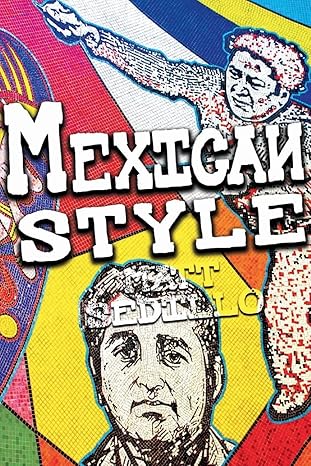
Mexican Style (FlowerSong Press) by Matt Sedillo
In Mexican Style Sedillo explores themes of struggle and identity and devotion to a cause and a people. Throughout we find a different more playful side of Sedillo with nods, homages, reinterpretations in this collection to the works of Rulfo, Marquez, Bunuel, Gogol Varda just to name a few.
Jukebox & Perfecta (What Books Press) by Patty Seyburn
Music is the car and driver of Jukebox. These poems explore the intersection between the musicality of language and musical references as signposts of meaning. The song lyrics and instrumental riffs that take up space in our brains (where arguably classic literature should be?) infiltrate the poems and proceed to assume a prominent position. They return author and reader to the moment when first heard and people and places associated with those moments. Musical references liberally salt the book’s first section. The shorter second section addresses those singers “everyone has heard”—the birds that poets so love. The third section speaks to ideas and spaces of silence. And so a loud book goes not gentle, but quiet.
Piecework: Ethnographies of Place (Unsolicited Press) by Amy Shimshon-Santo
Piecework is a lively collection of intergenerational essays on how people create possibility and place through the arts, culture, and heritage. Women and children play central roles in these ethnographies and autoethnographies. Their stories and struggles, ideas and breakthroughs, affirm the exponential power of families, schools, and communities to shape their own destinies through creative action. We learn that change is a collective endeavor, shaped on the ground, with the people we know and the communities we cherish.
Beyond the Grace of God (Portable Magic Books) by Natalie Sierra
For a thousand years, Antonia and Vaslav have lived in shadow-lovers, monsters, immortals. But when Lucifer offers them sunlight in exchange for teaching him how to love, they accept, unaware of the cost. As their bond begins to fray, desire becomes dread, and memory becomes a weapon. Beyond the Grace of God is an erotic gothic horror story about devotion, betrayal, and the slow unraveling of immortality.
Anthology of Latino Plays (El Martillo Press) by Herbert Siguenza
Herbert Siguenza, a founding member of the celebrated Chicano/Latino performance troupe CULTURE CLASH, unveils his first collection of plays, crafted during his impactful tenure as a solo playwright at the San Diego Repertory Theater. Each play in this collection was fully produced, garnering acclaim for its creativity, wit, political commentary, and innovative exploration of societal and cultural themes.
Sacrament (Counterpoint) by Susan Straight
In August 2020, a group of nurses are working in the ICU at a hospital in San Bernardino at the height of a Covid surge: Larette Embers, whose husband, Grief, is an animal control officer; Cherrise Martinez, whose husband died years ago in a car crash, and whose daughter Raquel has been sent to a Coachella date farm to live with her great-aunt to avoid the virus; and Marisol Manalang, born in the Philippines but based in Sacramento. To safeguard their families, the nurses are living in a makeshift RV camp close to the hospital; they share food and cigarettes yet keep their work private. For this is a country in crisis, and they are assisting strangers at the edge of death with infinite tenderness and growing desperation.
The Calling (Daxson Publishing) by Jake Terán
The Calling is a coming-of-age novella centered on the life of Guillermo Tierra, a young Chicano man trying to turn his life around after dropping out of high school and spending time in a juvenile detention center. Determined to find purpose and redemption, Guillermo sets his sights on joining the Marine Corps as a way to reshape his future. When unexpected obstacles block his path to enlistment, he is forced to reconsider his goals and the direction of his life. The Calling is about adversity, choices to be made, and the significance of identity.
zirconium ash (What Books Press) by jimmy vega
Centered around loss and death of individuals, relationships, and ways of communicating, the poems of zirconium ash drive at intensified high speed, physically and psychically mapping the geography of the city of Los Angeles. Weaving and zigzagging, mingling grief, sorrow, and lament, the poems haunt and are haunted by the living and dead. The culture of the city and family history often blur in these poems, which can feel in conversation with themselves as well as others-fragmented ghost narratives that lyrically confront history, poetics, and the crimes and unjust actions of government.
A Shared Condition: Poetry from the Venice Collective (Moontide Press) by the Venice Collective
The poetry collection A Shared Condition by The Venice Collective represents the work of 10 poets who created a literary ensemble and have inspired one another for twenty-five years. They share the common goal of expanding the boundaries of language, image, and form.
Elements of Los Angeles (Angel City Press) by D.J. Waldie
The third volume in D.J. Waldie’s trilogy of essay collections centered on a sense of place in Los Ángeles, evokes the classical elements of earth, water, air and fire. After the tragic wildfires of early 2025 ravaged Los Ángeles, the elements that infuse and surround Los Ángeles are more pertinent than ever.
Each of the four classical elements forms the basis for a profound and poetic reassessment of the city’s image, exploring topics as diverse and resonant as the unlikely history of the Hass avocado, the St. Francis Dam disaster, an endurance contest that saw a young woman buried alive, and the sound of Vin Scully’s voice carried across the summer air.
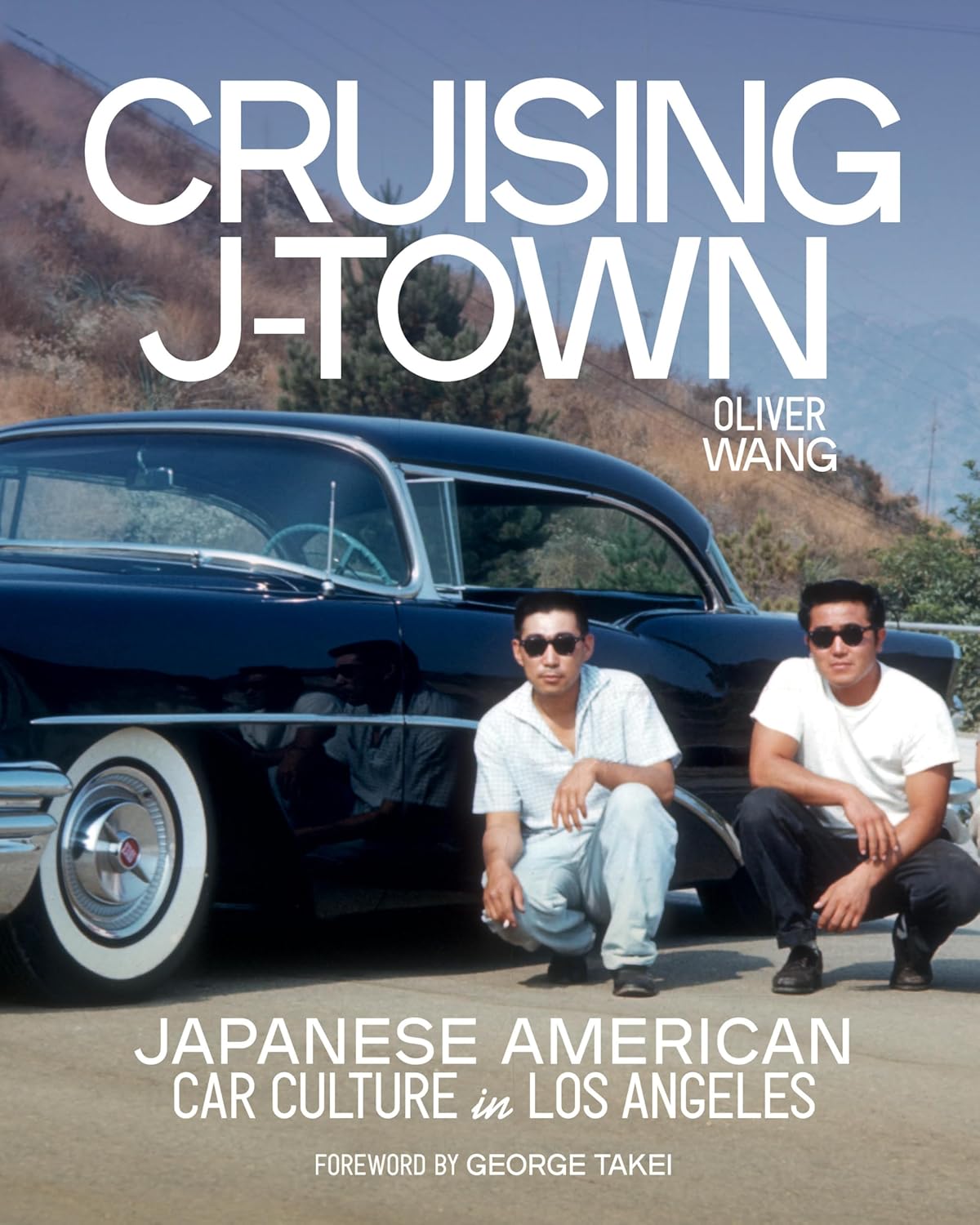
Cruising J-Town: Japanese American Car Culture in Los Angeles (Angel City Press) by Oliver Wang
Cruising J-Town: Japanese American Car Culture in Los Angeles explores how generations of Japanese Americans in Southern California shaped, and were shaped by, local automobile cultures and industries: from desert lakebeds to concrete speedways, gas stations to design centers, souped-up import tuners to humble gardening trucks. Along the way, cars and trucks became literal and figurative vehicles for Japanese American self-expression, social mobility, community identity, and much more. Cruising J-Town is driven to explore how these diverse relationships between people and the world of cars have steered the Nikkei community’s American stories across the generations.
It Wasn’t Always Like This (What Books Press) by Jan Wesley
Sassy, sensitive, and searing poems by contemporary American poet Jan Wesley who died in 2025. These poems contain both lyric and narrative moments; feminist concerns as well as environmental. Here Wesley writes about men and women, about failed relationships, about her parents. Mostly set in Los Angeles, these are California poems in the best sense: light-filled, at times light-hearted, but, with a sniper’s aim, always pointed toward truth.
My Older Brother, A Famous Rapper (El Martillo Press) by Alyesha Wise
In this memoir in verse, Alyesha Wise explores themes of family, identity, and peace, to transform pain into resilience and fracture into unity. Structured like a mix tape, she explores these themes to illustrate what it means to be seen, erased and then resurrected.
MeXicana: poemas y más poemas (Riot of Roses Publishing House) by Diosa Xochiquetzalcóatl
MeXicana: poemas y más poemas (pronounced Me, Xicana mexicana) is Diosa Xochiquetzalcóatl’s seventh poetry collection. The author begins the entire collection with a double entendre title that perfectly encapsulates the dualistic and at times, pluralistic themes thoroughly explored throughout her poems. Themes surrounding culture, language, identity, religion, political and geographical borders, and patriarchal influences are not only explored, but dissected, and even contested.
The book is an exploration of the bilingual-binational conundrum: to be or not to be, that internal and external conflict of belonging and not belonging. Some may think that a Chicana and a Mexicana are the same, and that is simply not the case. There are many layers to these labels and lifestyles. And Diosa X, who has lived on both sides of that ridiculous man-made border as an adult, dives deep into all of the complexities of being binational and bilingual.
Nonetheless, whether juggling one or two or many hats, there is still this beauty and love and pride that is exalted within her writing. And as always, a classic characteristic of this multilingual author, be ready to learn new vocabulary and dive into the word-play that thrives within her multidimensional worlds. Diosa Xochiquetzalcóatl proudly invites readers of all ages and walks of life to join her on this fantastic and sometimes frustrating, though always phenomenal, journey of a MeXicana life.

 Los Angeles Literature
So great to see all these incredible writers published this last year!! Thank you for sharing their works of art! I feel honored and blessed to have been granted permission to host many of those writers in my poetry column. I host everyone who submits. No experience necessary.
With gratitude, Linda Kaye
http://www.laartnews.com/poetsplace
LikeLike