
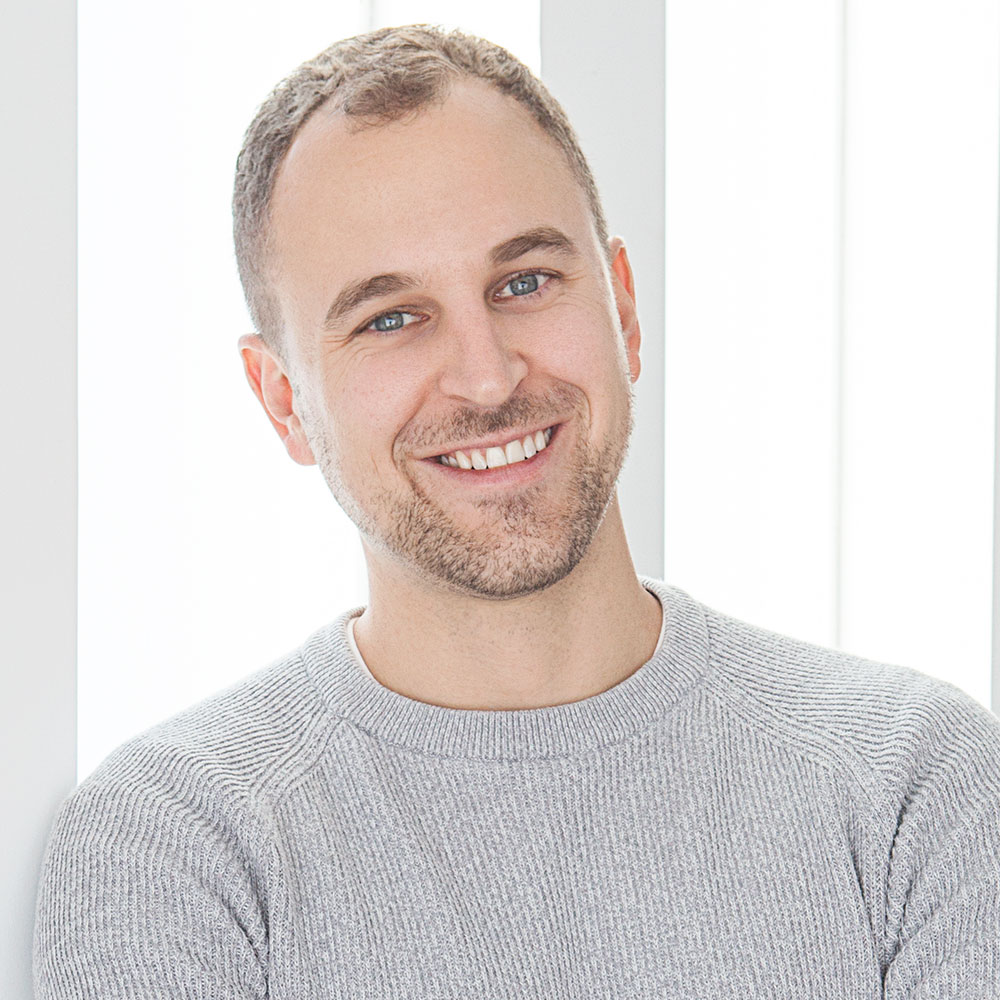
Cody Sisco started out by taking a wrong turn. For 10 years, he worked in corporate responsibility consulting, wanting to enact better futures, stemming from a respect for human dignity. But pushing ever so slightly at the margins of what was possible,” all his “efforts felt as nourishing as a drop of water in the desert,” he said in a VoyageLA interview. Yet, his love for telling stories was too strong to let go.
This love manifested as “telling stories about characters who struggle to fit in,” a reflection of Sisco’s experience growing up gay in the Northern California suburbs of the 80s and 90s. “It wasn’t as idyllic as it might seem,” he said in an Ask ALLi podcast interview, referring to the iconic image of such a community as a safe, family-friendly environment. Only on the surface were circumstances pretty great.
To do more with his efforts to encourage people to explore how humans can build a better future amidst the bewildering chaos of the world, Sisco moved to Los Ángeles to pursue a career in publishing. “I started writing science fiction, my first love as a young reader, in order to expand my horizons and communicate my vision for how the world could be better,” Sisco said in the same VoyageLA interview.
Since 2015, as Sisco dove into the craft of writing fiction, learning to navigate the publishing industry and became more involved in the Greater Los Ángeles literary community by joining writers groups, where he first made friends, acquaintances and connections, he formed the Made in L.A. writers group “dedicated to the support and appriciation of independent authors.” Not only that, but he founded BookSwell, a literary events and media company to help introduce readers to new writing and access all the events going on in Southern California.
“My lens was always on the poets and authors from historically excluded communities, including BIPOC, LGBTQ+, female and nonbinary, and indie writers,” Sisco said in a CanvasRebel interview. “Not only were we excluded from traditional publishing pathways, but we also had to create spaces where our words would be heard and appreciated.” BookSwell uses this lens when producing WeHo Reads, a literary series featuring diverse or noteworthy authors of interest to the West Hollywood community.
Recently, I asked Cody Sisco about the influences that shape his science fiction narratives, local and otherwise and his thoughts on the Greater Los Ángeles literary community.
Brian Dunlap: Who were the original influences on your writing? Poets, writers, maybe even musicians? Teachers? Why and how have they influenced your writing?
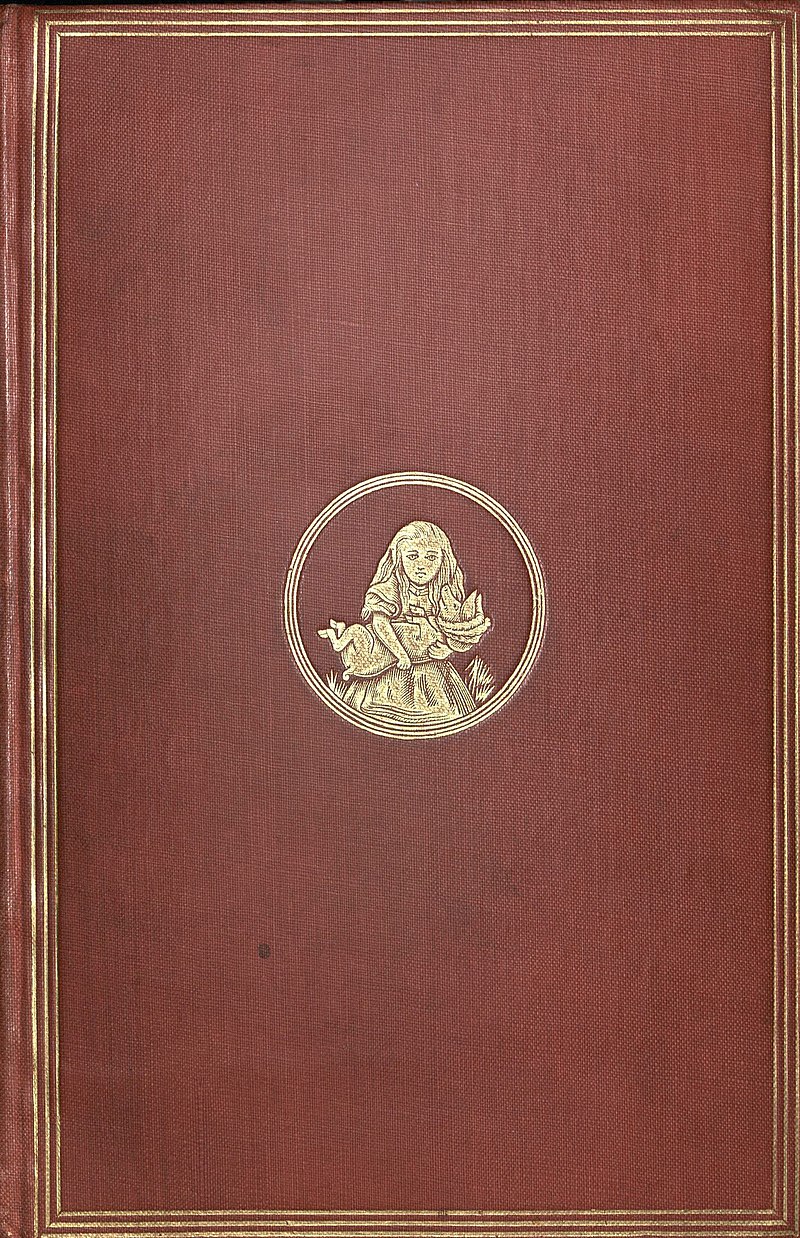
Cody Sisco: I have always loved traveling to different worlds via books. My early obsessions included Alice in Wonderland, the Narnia series, and stories about monsters, gods, and mythological creatures. Two magical movies that blended live action and animation captivated me as a child: Mary Poppins and Bedknobs and Broomsticks. They also featured divas, which was probably an early sign of my queerness. That and passionately dancing to Tell It to My Heart by Taylor Dayne.
As I grew older, I started devouring science fiction. Dune and its sequels showed me how a world can be intricate, complicated, and visceral, while the story simultaneously explores personal and spiritual journeys and the grand tapestry of history. Star Trek and its spinoffs offered me glimpses of utopias (and dystopias).
As a teenager, a budding sense that our world was deeply flawed led me to the delights of the horror genre. I devoured everything I could: 80s slasher films, The ’Burbs, The Twilight Zone, Tales from the Crypt, every book Stephen King had written up to that point. When I started reading Clive Barker, I saw a glimpse of a possible future for myself as a gay speculative fiction author. His rich, exquisitely detailed, and bonkers-wild-and-wacky-sexy world-building showed me that the only limit to our imaginations is what we’re willing to put out in the world. When I discovered David Lynch, it taught me that an important balance is needed between weirdness and inscrutability.
At the root of my love for exploring (and writing about) imaginary worlds is a desire to understand how culture is shaped by unseen patterns. Two authors in particular have had a tremendous impact on my writing. In college, I was introduced to City of Quartz by Mike Davis. His explanations of the economic and cultural forces and personalities that shaped Los Ángeles were revelatory. Two subsequent books, Ecology of Fear and Dead Cities, helped me see how geography intersects with pop culture and imagination. Kim Stanley Robinson’s Mars Trilogy and his later books showed me how utopias can reflect the biases and flaws of their creators. The intermingling of large-scale social trends and individual lives can be seen in my Resonant Earth series, which closely follows Victor Eastmore and his family and friends as their world undergoes a dramatic political and technological transformation. In essence, write to explore how individual actions combine with obscure forces to shape the future.
Dunlap: What local writers, past or present, have been influential to your writing and/or you’ve fallen in love with? In what ways have they been influential on your writing and/or in what ways have you fallen in love with their work?
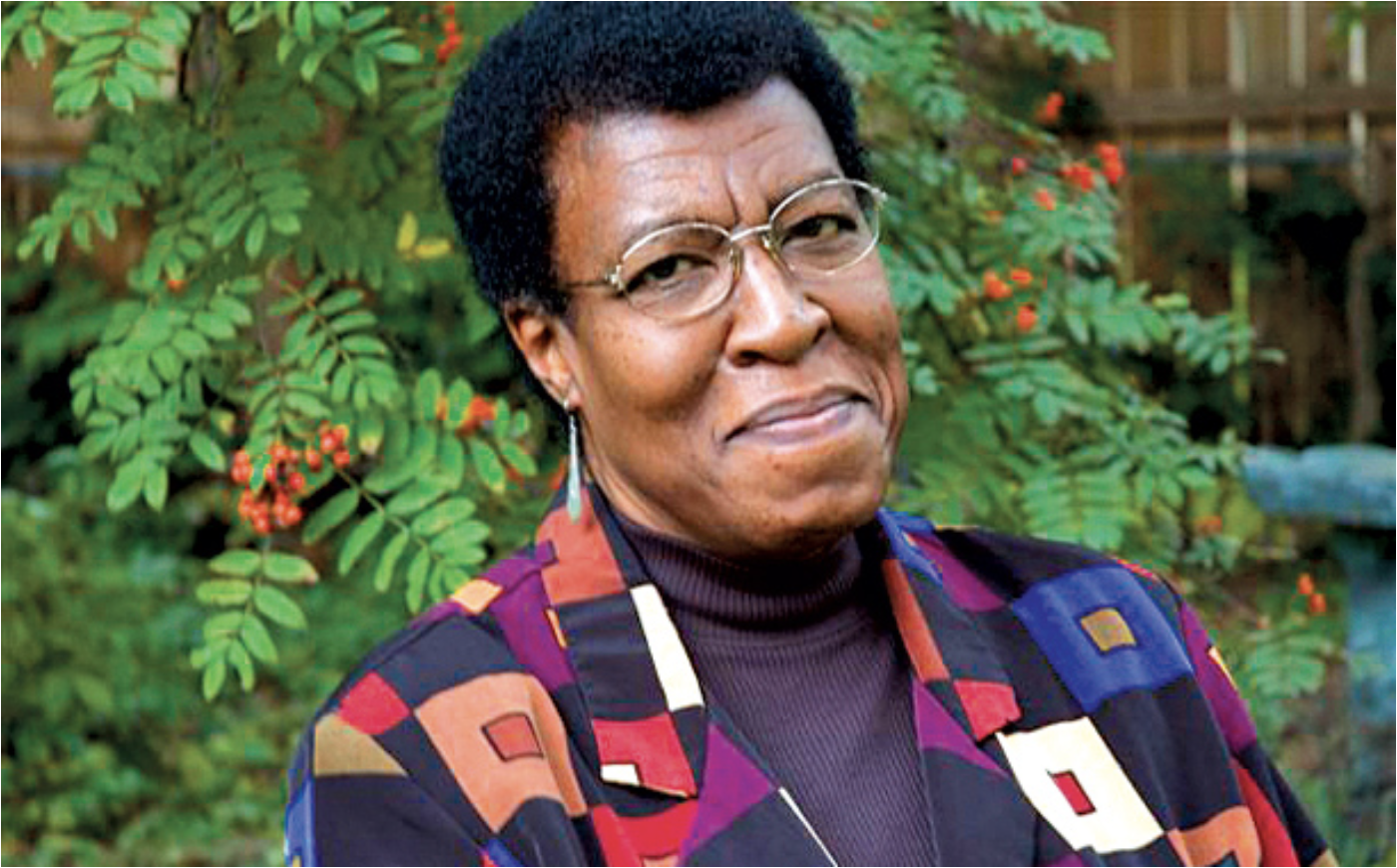
Sisco: Looking back, it seems to me a great tragedy that I only started reading Octavia Butler in my thirties. Why didn’t anyone shove her books in my face in my teens!? Her way of looking at environmental and social trends and her ability to simply execute powerful concepts (hyperempathy, time travel, human bondage by aliens, hereditary telepathy) make each one of her books a master class in storytelling. Above all, the way she exposes the unwritten rules of class, caste, race relations, control of technology, and gender and sexual hierarchies makes me wish she had continued to live and write until today.
Other writers whose work I greatly admire, but I came to later in life, include William Gibson, Neal Stephenson, N.K. Jemisin, John Scalzi, and Jeff VanderMeer.
Closer to home, I enjoy and learn a lot from local crime writers. Rachel Howzell Hall writes about relatable settings and characters that feel like real life. Joe Ide writes powerfully about how violence gets under the skin and changes people. Jordan Harper writes gleefully dark Hollywood publicity industry smackdowns. Steph Cha captures social conflict through precisely crafted stories of individuals and families on the brink. And the great and prolific Walter Mosley has a trove of books that are genre-defining. Above all, I appreciate how these authors weave contemporary social conflict and flawed-but-righteous characters into compelling crime novels.
Dunlap: What writers do you read today, whether poets, essayists, novelists or others? What draws you to their work?
Sisco: The books I read tend to come from three different sources.
I founded BookSwell to amplify the voices of writers from historically marginalized communities. So I’m always reading a mix of poetry, fiction and memoir, much of it from writers in Southern California who are guests on the podcast or feature in one of the WeHo Reads events I produce. One of the great joys of working in publishing is reading new work by authors I get to meet and talk to.
Another source of new books for my to-read pile comes from the copious font of science fiction, my home base in the literary universe. I love getting lost in long, epic, juicy sagas from authors who help scratch that itch. I also follow the various sci-fi award nominations to ensure I don’t miss new authors making a splash. I’ve been racing through the Murderbot books to enjoy the new series and indulge my crush on Alexander Skarsgård. Other new-to-me favorite authors include Ann Leckie, Elizabeth Bear, and Justin Cronin.
The third source that feeds my book addiction is nonfiction titles that reveal the hidden patterns that influence our behavior. I remember being fascinated with Mike Davis’s socio-geographic analyses and picking up every new book the day it came out. George Lakoff has a lot to say about cognitive science and why our politics looks the way it does.
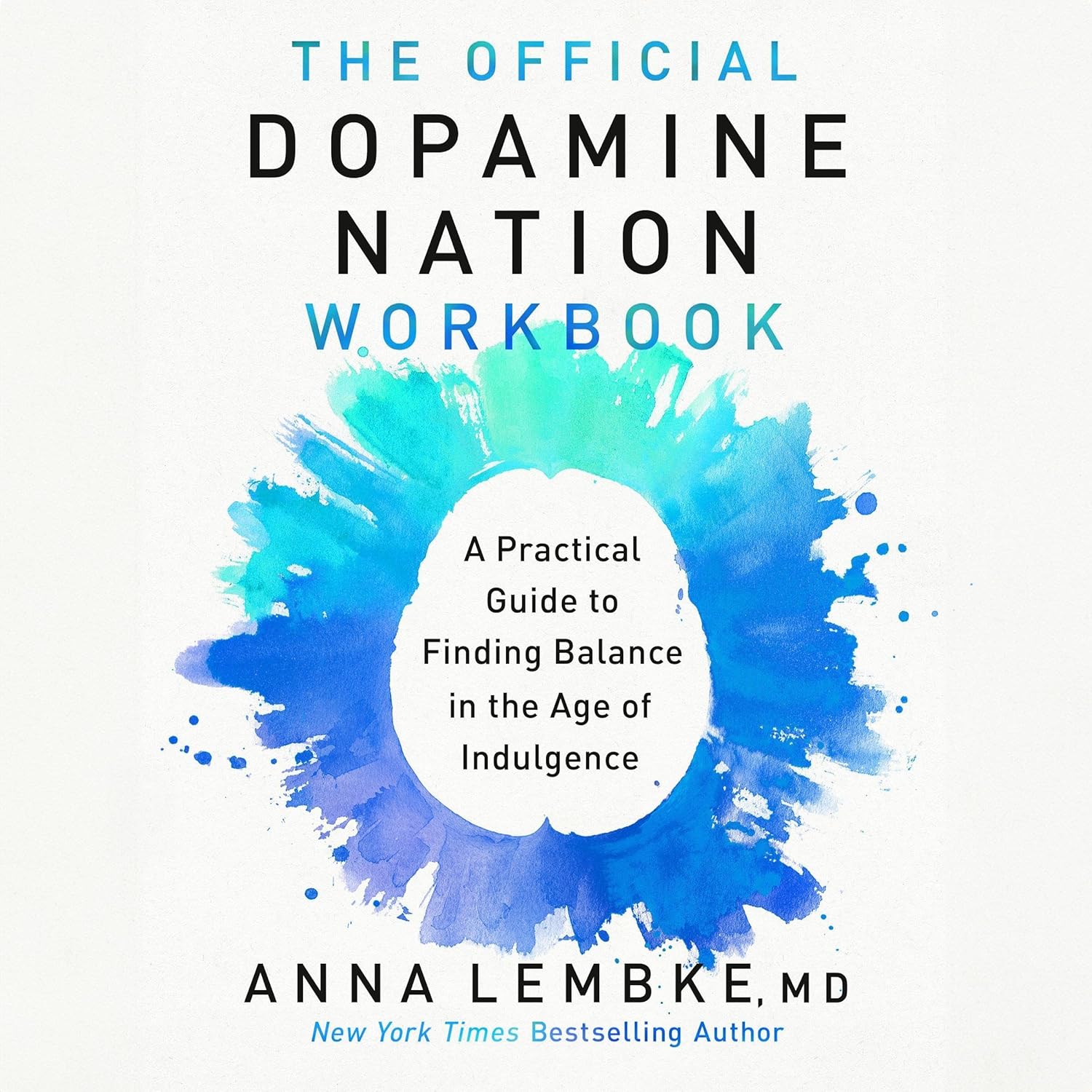
Lately, three books changed how I look at the world. The Age of Surveillance Capitalism by Shoshana Zuboff is a damning and frightening portrayal about how we sleepwalked into a worst-case scenario for online privacy. Dopamine Nation by Anna Lembke, MD, draws from neuroscience, psychology, and addiction recovery movements to show how we can rebalance joy and pain in our lives. And Thomas Piketty’s Capital in the Twenty-First Century provides a kind of numbing balm in the long view of economic and social development over the past several hundred years. One more great book from recent years: Caste by Isabel Wilkerson is a must-read for understanding how race and class intertwine.
Dunlap: From your engagement in the local literary community, what are your honest thoughts and opinions about this community, good, bad or otherwise? Its issues. Its positives and anything else?
Sisco: Being a writer in L.Á. is a paradoxical experience. There are so many of us, and most readers have no idea we’re here. Publishing is broken, and wonderful books get published every year. As author-coach Becca Syme likes to say, “Loki is in charge,” meaning chaos is the only rule and our efforts have unpredictable results. And yet we do our best to put together publicity plans, launch day celebrations, bookstore tours, and online campaigns in the hope of sharing our work with the world.
I’m incredibly lucky and privileged that I get to work with and be in community with so many talented writers, both established and up-and-coming, through BookSwell, Made in L.A. Writers, and the many individuals and organizations knitting us together, including Beyond Baroque, LA Poets Society, Pride Poets, and the small presses and indie bookstores who put on so many events celebrating our local writers. We have so much community and mutual support. It’s breathtakingly beautiful and, at the same time, utterly mundane and commonplace because it’s happening everywhere all at once.
My one ask of the community is that we continue supporting writers at the beginning of their journeys. It’s a bewildering and exhilarating experience to learn both the craft of writing and the business of publishing. I’ve benefited from many local writers who were generous with their time and encouragement, and I’m hopeful we’ll all continue to pay it forward to the next generation.

 Los Angeles Literature