
By Daniel A. Olívas
FROM: LARB
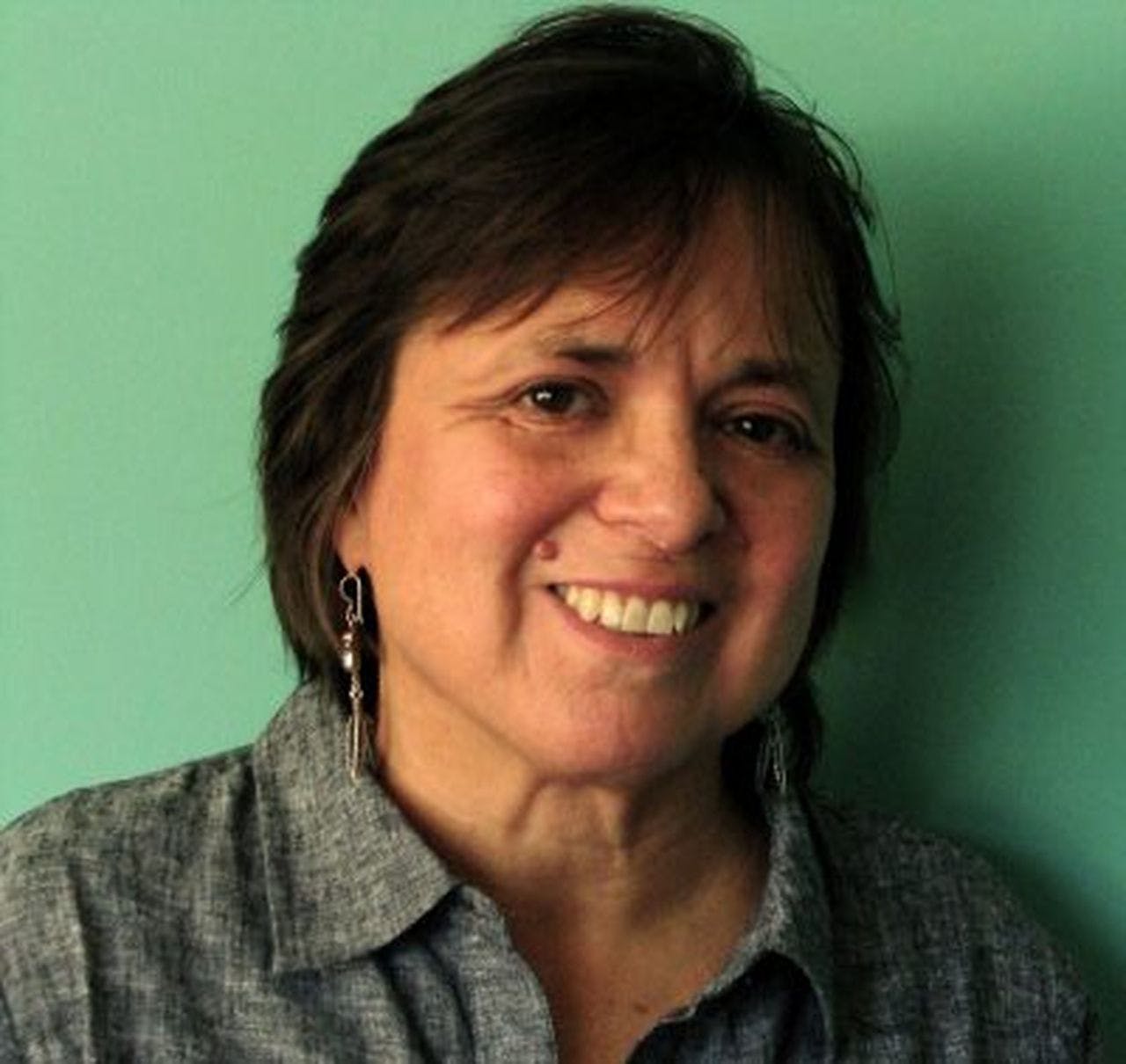
Cherríe Moraga is an internationally recognized playwright, essayist, and poet who is best known as the co-editor of the groundbreaking feminist work This Bridge Called My Back: Writings by Radical Women of Color. Moraga is the author of several collections, including A Xicana Codex of Changing Consciousness and Loving in the War Years. Moraga has been recognized for her writing with the United States Artist Rockefeller Fellowship for Literature, the American Studies Association Lifetime Achievement Award, and the Lambda Foundation’s “Pioneer” award, among other honors.
An award-winning playwright, Moraga has published three volumes of plays and directed the premiere productions of several of her own works, including the plays New Fire: To Put Things Right Again; The Mathematics of Love; Digging Up the Dirt; and The Hungry Woman: A Mexican Medea.
In 2017, Moraga joined the faculty in the Department of English at UC Santa Barbara, where she also serves as the co-director of Las Maestras Center for Xicana and Indigenous Thought, Art and Social Practice. She is currently completing the screenplay Señora de los Blues on the life of Chavela Vargas, commissioned by LevelForward Productions. While currently only in the Bay Area half-time, Moraga still considers Oakland, California, her home.
In 2019, Farrar, Straus and Giroux released her latest work, Native Country of the Heart: A Memoir, which is now available in a paperback edition. Upon its initial release, her memoir received universal praise, including from such fellow authors as Myriam Gurba, Luis J. Rodriguez, Michael Nava, Rigoberto González, and Julia Alvarez. The New York Times Book Review proclaimed: “[Written] with a poet’s verve […] This memoir’s beauty is in its fierce intimacy.”
And I must add my own voice to the chorus of praise. Native Country of the Heart burrowed deeply into my psyche as I learned of Moraga’s history and relationship with her late mother, Elvira Isabel Moraga. I found myself laughing and crying, sometimes within the space of a few paragraphs, as her poetic but searing narrative painted a brilliant portrait of the painful complexities of race, class, and family mysteries. But Moraga’s unflinching excavation of her life as well as the lives of her loved ones is what makes this memoir so compelling and, indeed, thrilling. She lays bare the nuance, intricacies, and conflicts of what it means to be MexicanAmerican — without a hyphen and without the chasm of that single space between identities.
Moraga kindly agreed to answer a few questions for LARB about her memoir, Native Country of the Heart. Read Rest of Interview Here

 Los Angeles Literature