
By Brian Dunlap
 The United States is now in the midst of its strongest push for racial equality since the Civil Rights era. Civil unity and protests sprung up instantly after George Floyd’s death at the hands of police last month in Minneapolis. The calls for police reform have been loud and wide, including calls for justice for Breonna Taylor who was killed by Louisville police as she slept.
These calls have been to drastically reduce police funding and to reallocate that money to social services, such as mental health facilities, employing nurses, counselors and psychologists in every school instead of cops, health care and substance abuse treatment, among other services, with a focus on communities of color.
As the days have gone by, calls for racial equality and reform in other industries have gained momentum as well. One is the nation’s literary community, where the push for more support and opportunities for writers of color have grown even louder in the last weeks. It’s lead to the resignations of President Henry Bienen and Chair of the Board Willard Bunn III of the Poetry Foundation. Poets had published an open letter asking for their resignations, and criticized their response to the current protests against anti-Black racism and an ongoing failure to allocate more of its enormous resources to marginalized artists, according to Poets & Writers Magazine.
Yet, this current push for racial equality, which has galvanized the country, is still only in its infancy. And it hits closer to home in the vastly diverse Los Ángeles literary community. Some of its biggest movers and shakers are writers of color, including: Traci Kato-Kiriyama, founder of Tuesday Night Project, the longest running Asian American open mic in the country; former L.Á. Poet Laureate and founder of Tía Chucha’s Central Cultural y Bookstore and Tía Chucha Press, Luis J. Rodriguez; and Hiram Sims, co-founder and publisher of World Stage Press, among many others.
However, Los Ángeles poet Chiwan Choi pointed out last week on Facebook, that there is still a long way to go, despite the literary community’s demographics and its movers and shakers. He spoke about the telling interview he had with the L.A. Times for their vacant Book Editor Position.
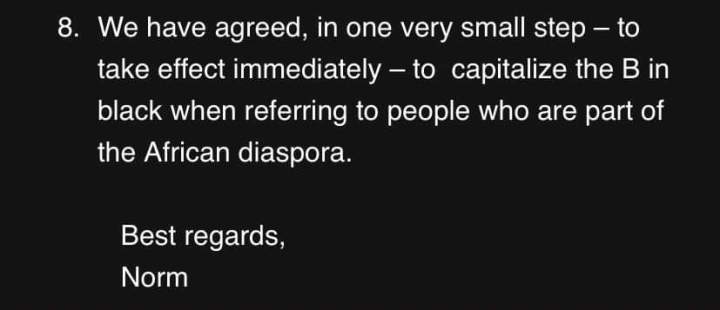
a white lady from NY had recently been hired to run the A&E section. during the phone interview, she asked me what was important to people in LA and literary world here. and i told her, among other things, TO NOT HIRE ANOTHER NON-LA WHITE DUDE to be the Books Editor. i suggested many names of amazing people, all BIPOC, including mine, that would be qualified. she asked me to write up a plan for the future of the section. and i did. suggesting writers and editors, mostly BIPOC, who would be great. well, she went and hired…a WHITE DUDE FROM NEW YORK. (i hear he is a perfectly nice guy, from friends i respect. and i respectfully don’t give a fuck.) of course i was disappointed about not getting the job, because it would have meant a good first step in moving back to my home. but i was FURIOUS, still am, that after wasting all of my time, and giving lip service about how she wanted to really reach the people in LA, she turned around and did this. perhaps i should get in the habit of NOT saying stuff like “don’t fucking hire out of town white dudes for this job” during job interviews. anyway, i think of this today as i see this STUNNING announcement from the paper:

 Los Angeles Literature